14 hr
Pamukkale & Hierapolis Full-Day Tour from Marmaris
Explore ancient Hierapolis ruins and bathe in legendary thermal springs at Turkey's stunning white travertine terraces
Reserve
Four-hour inland journey to mineral terraces, ancient thermal spa city
Hand-picked by our editors — only the best 6 experiences from 19 reviewed.
Verified partners for Marmaris to Pamukkale tours, free cancellation where available, and instant confirmation on every booking.
14 hr
Explore ancient Hierapolis ruins and bathe in legendary thermal springs at Turkey's stunning white travertine terraces
Reserve
13 hr
Journey to Turkey's famed white travertine cascades and explore a 2,000-year-old hilltop city
Reserve
14 hr
Journey to Turkey's famous white terraces and ancient Roman spa city with breakfast, lunch, and thermal pools
ReservePrices from verified partners. Availability updates in real time at checkout. Free cancellation policies apply where shown.
The landmarks, rooms, and views travelers on Marmaris to Pamukkale tours remember — all visible on a single visit.
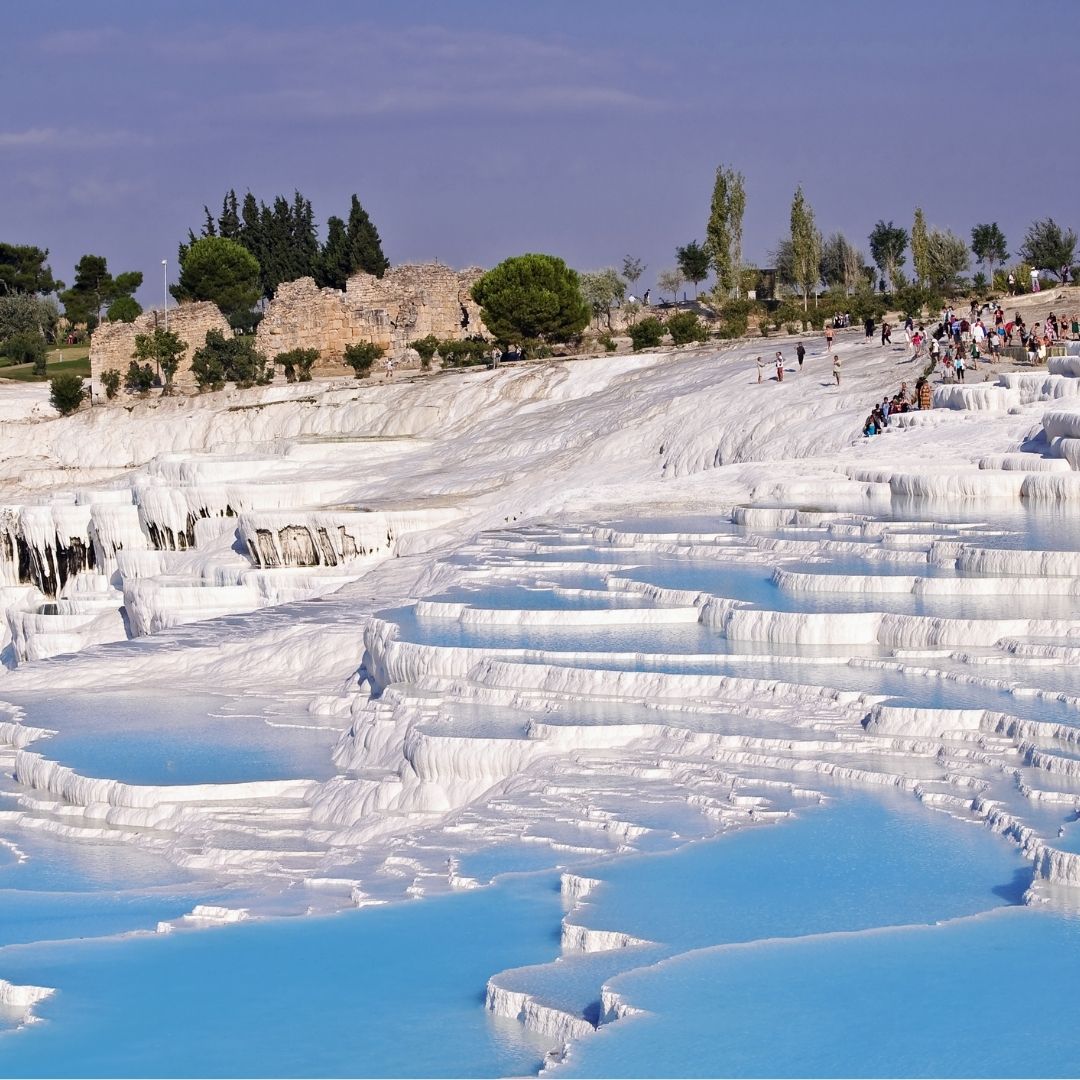
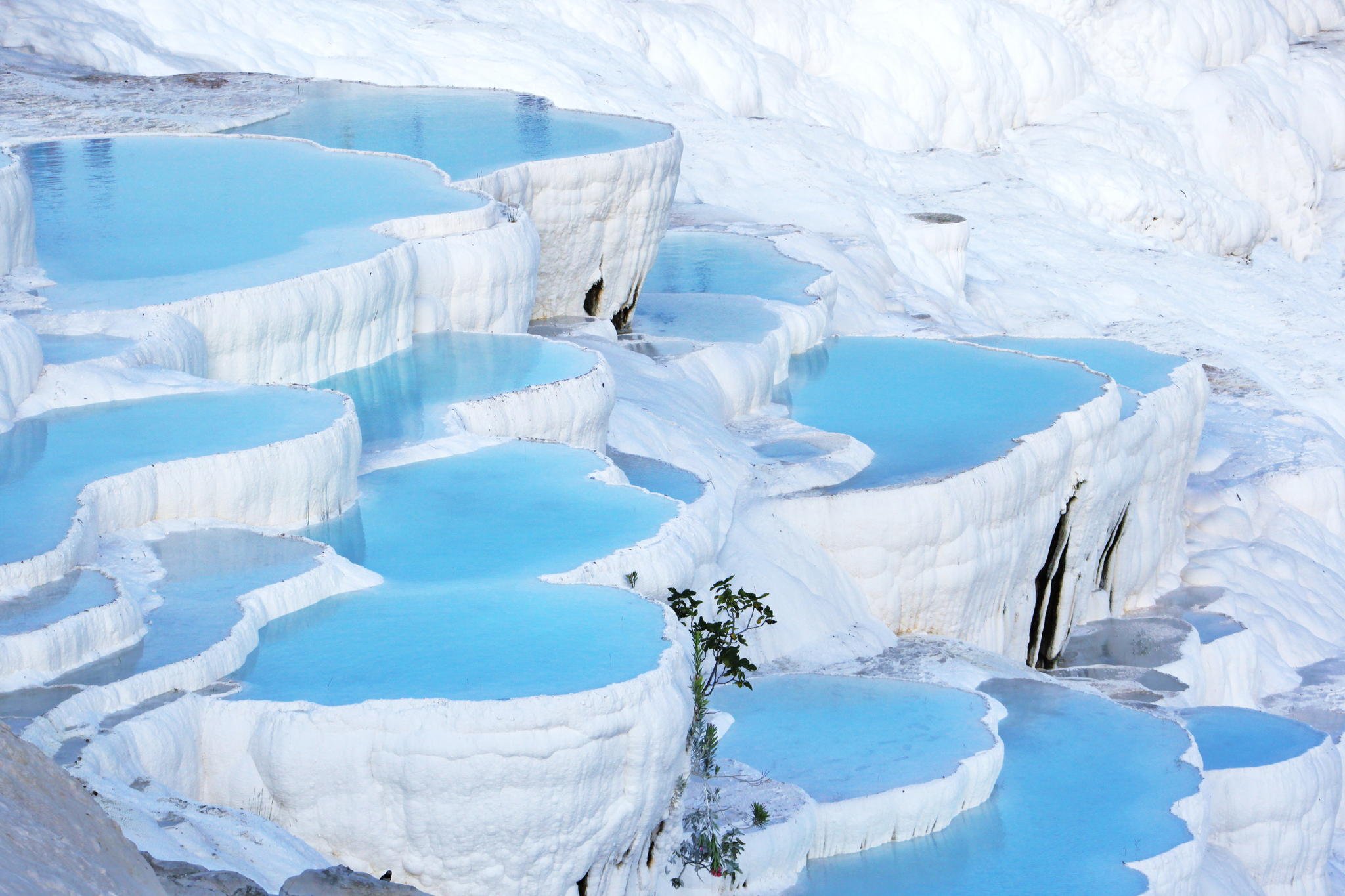
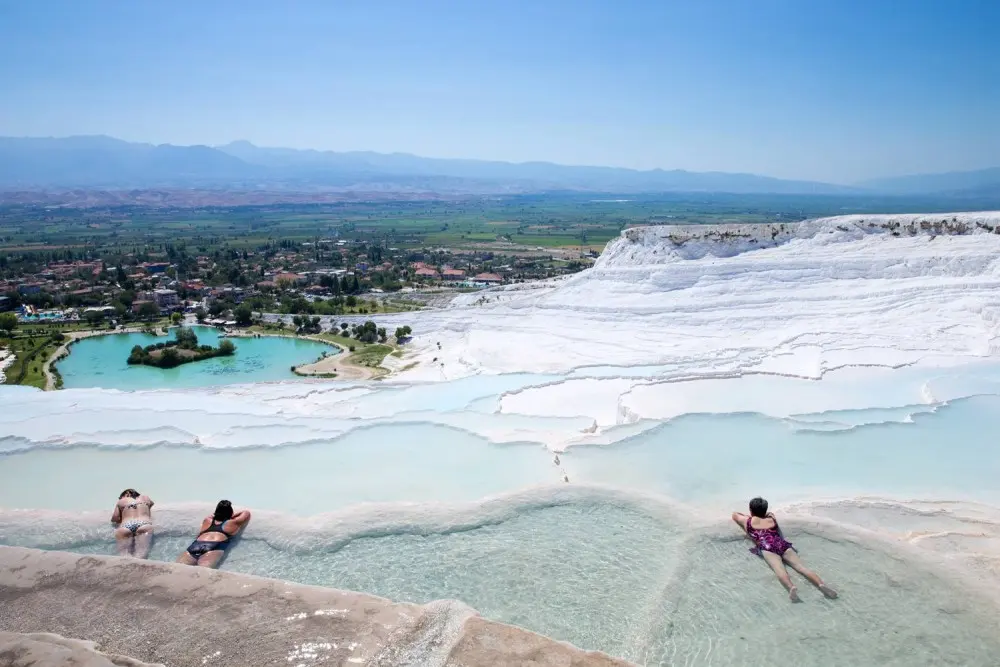
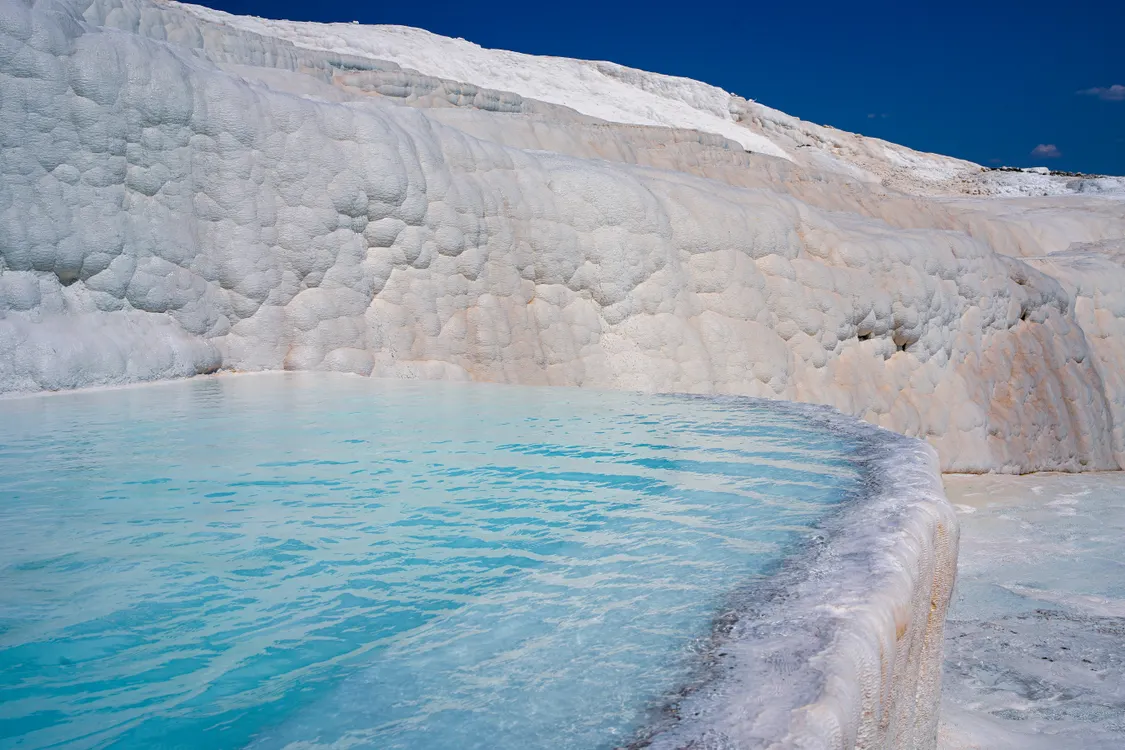
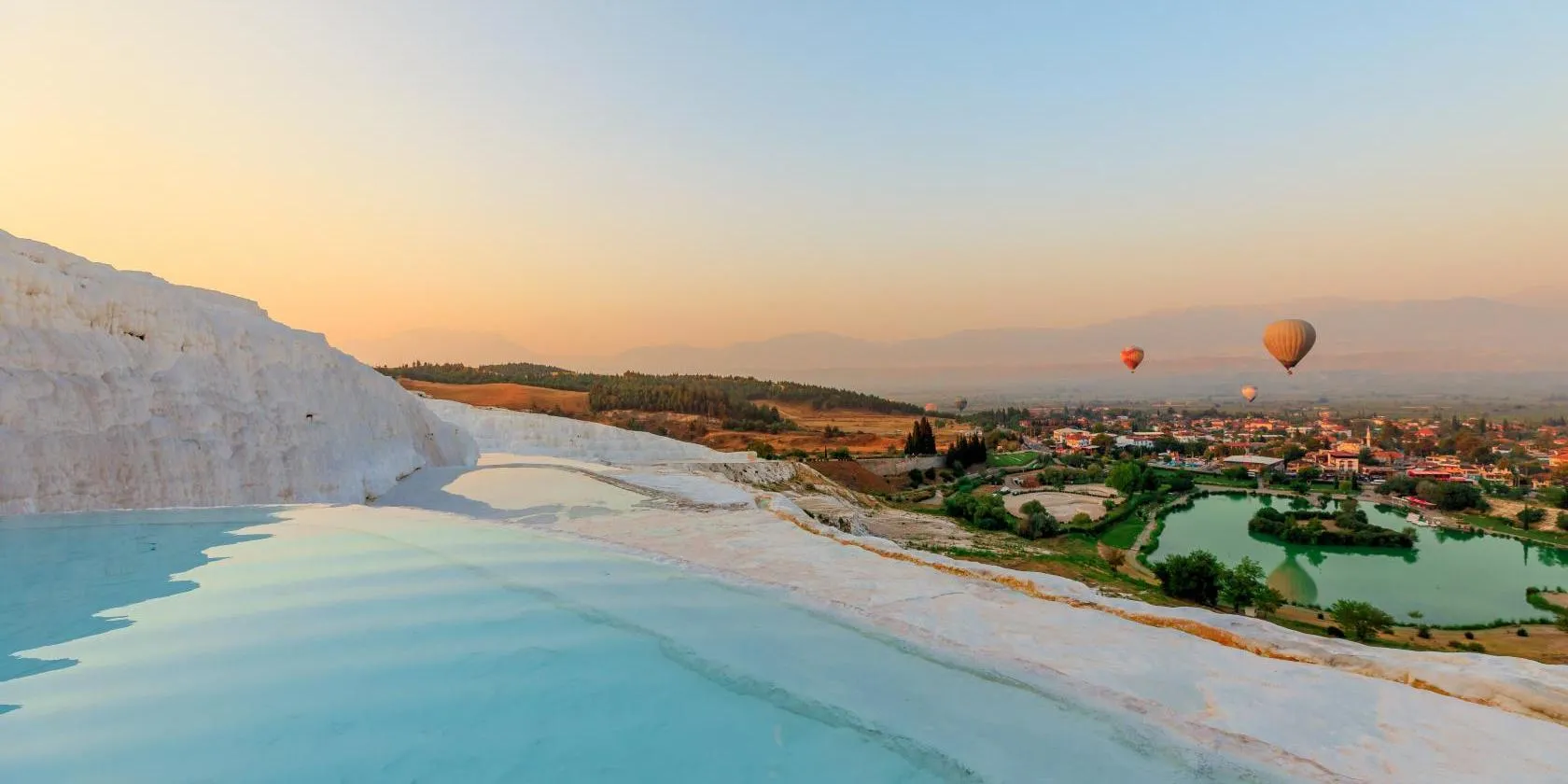
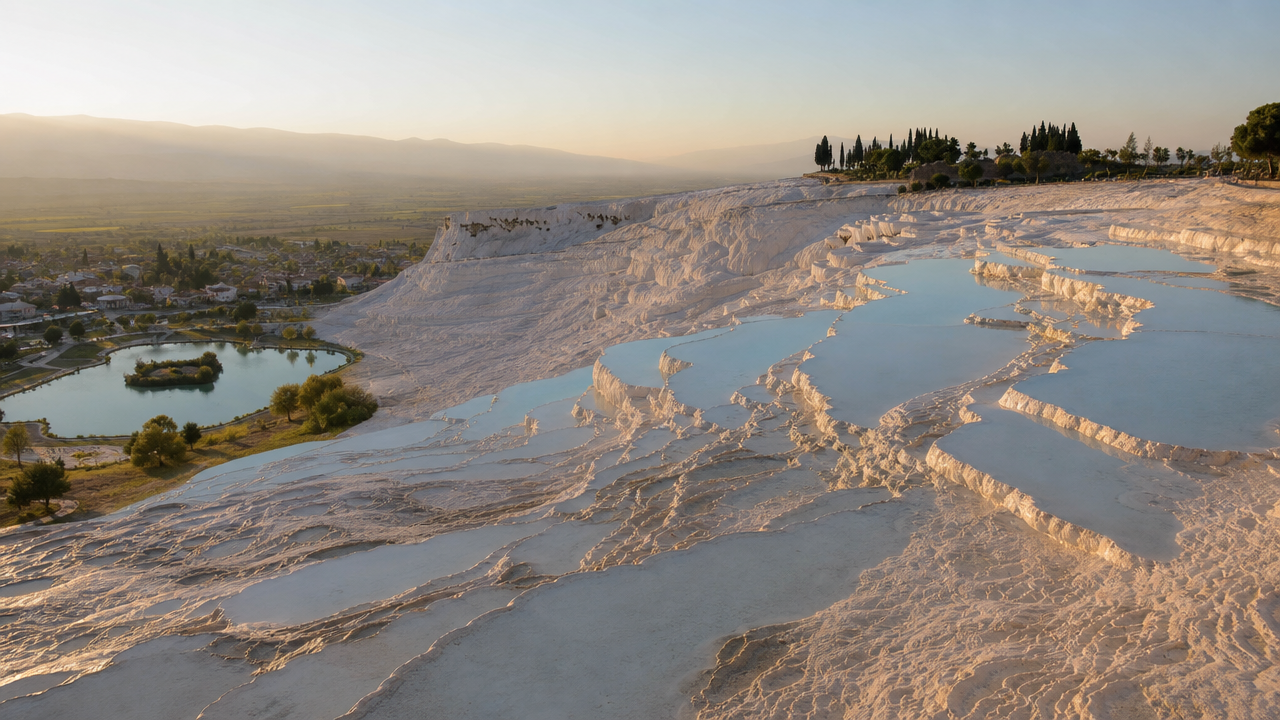
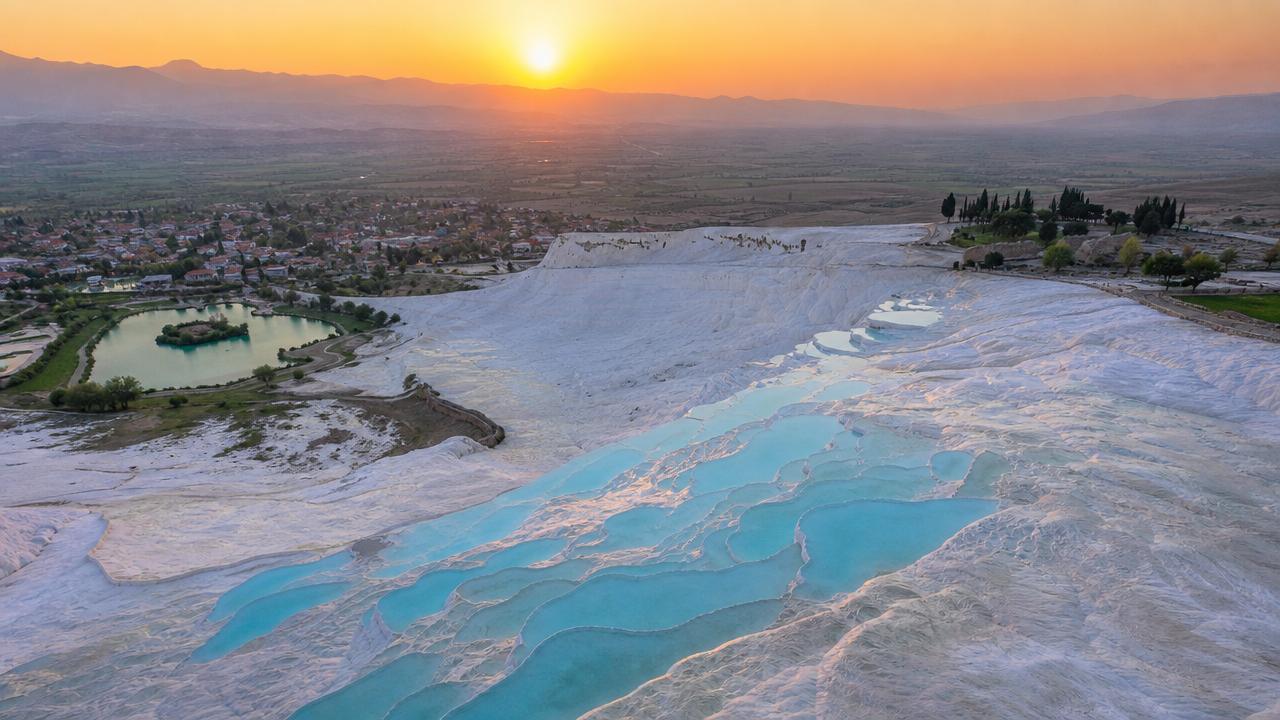
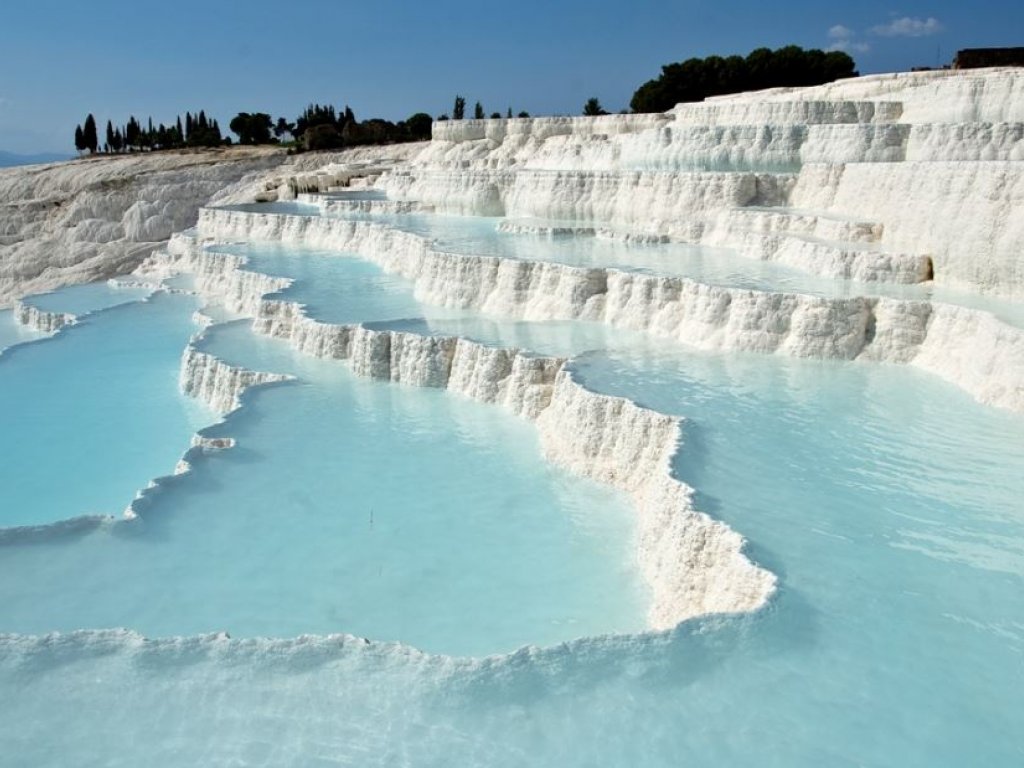
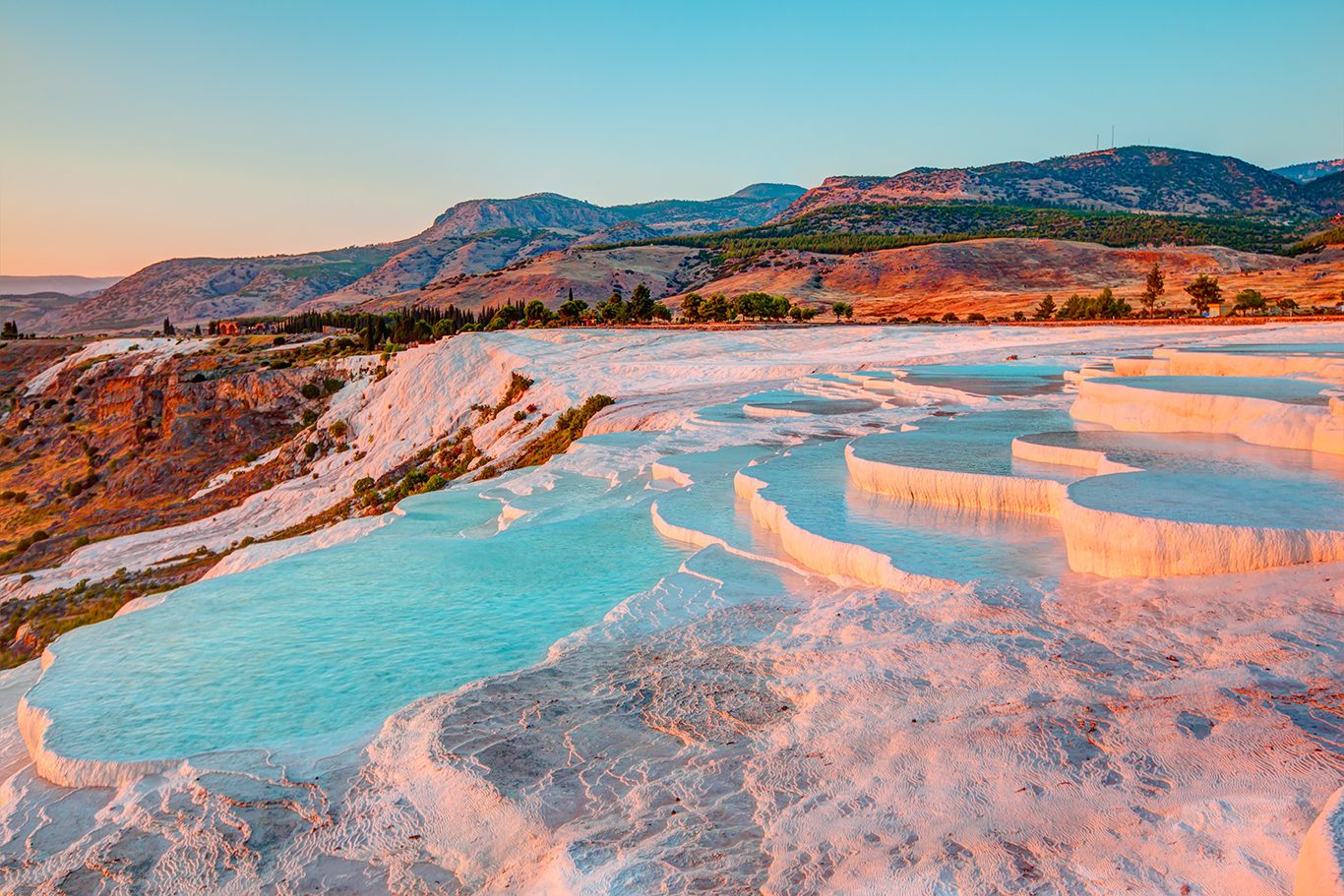
Terraced white limestone pools formed by mineral-rich waters. It is the core of your marmaris to pamukkale tour.
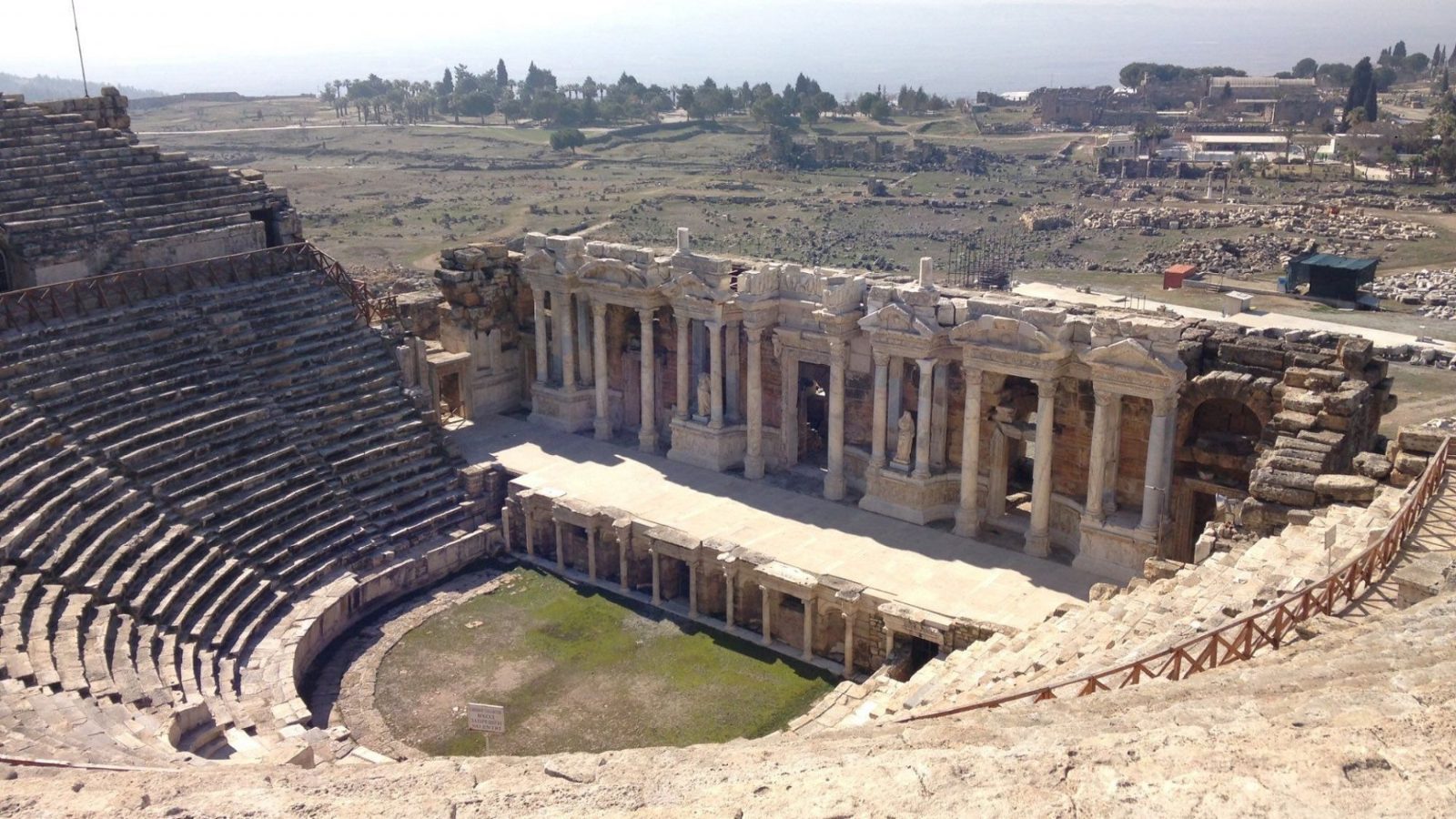
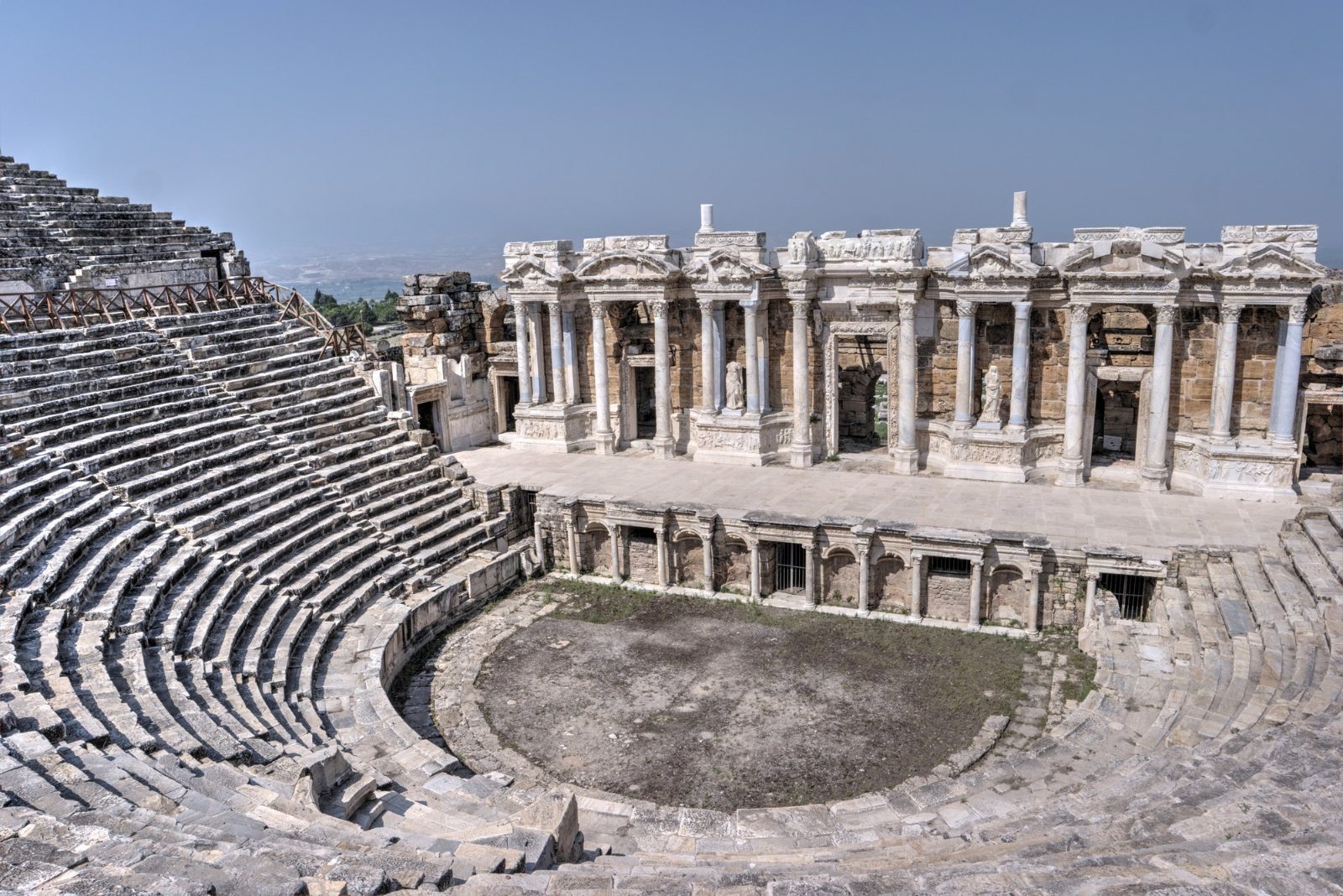
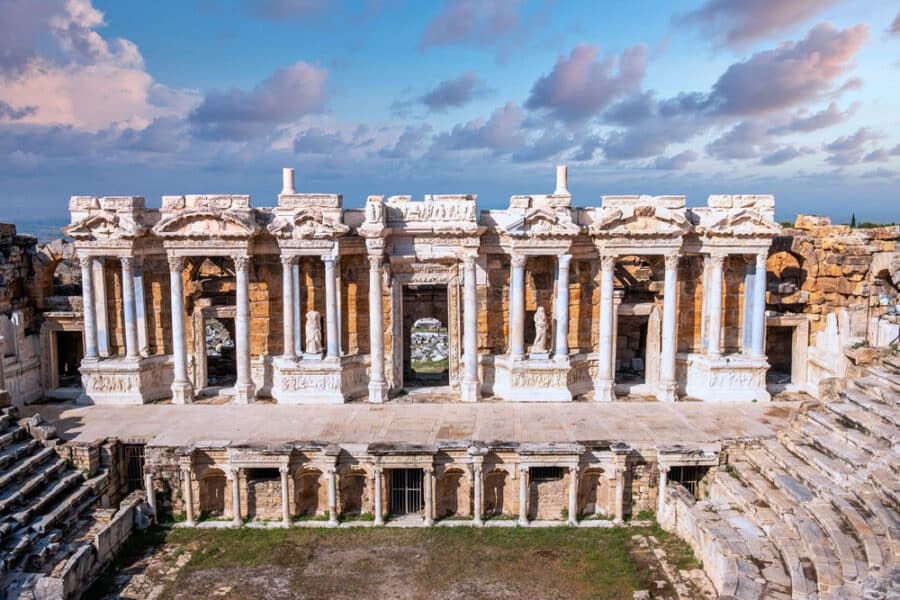
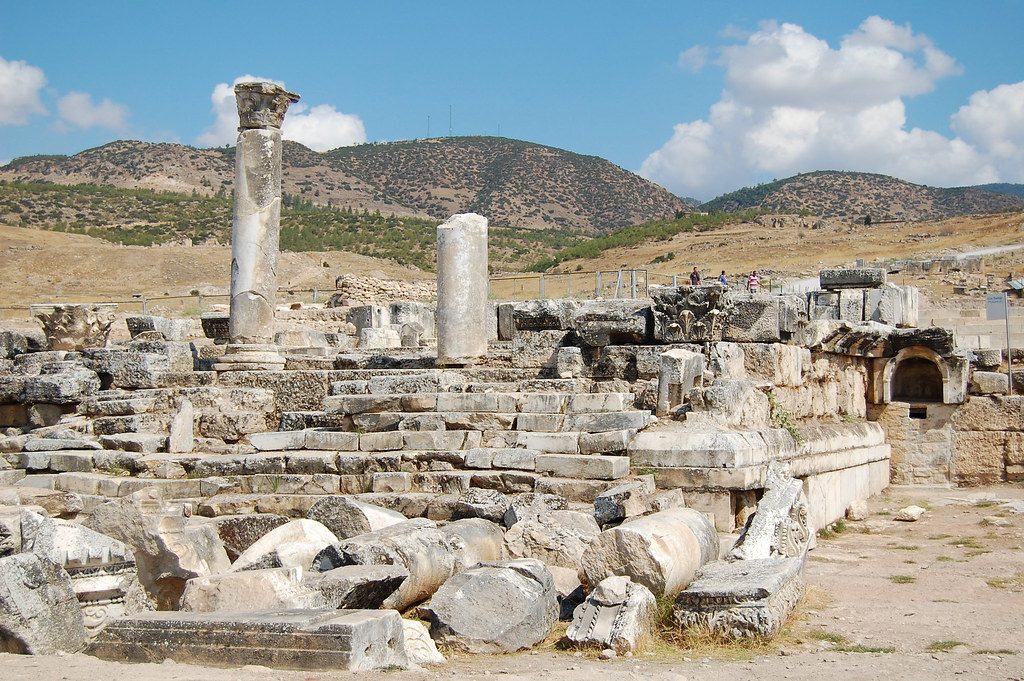
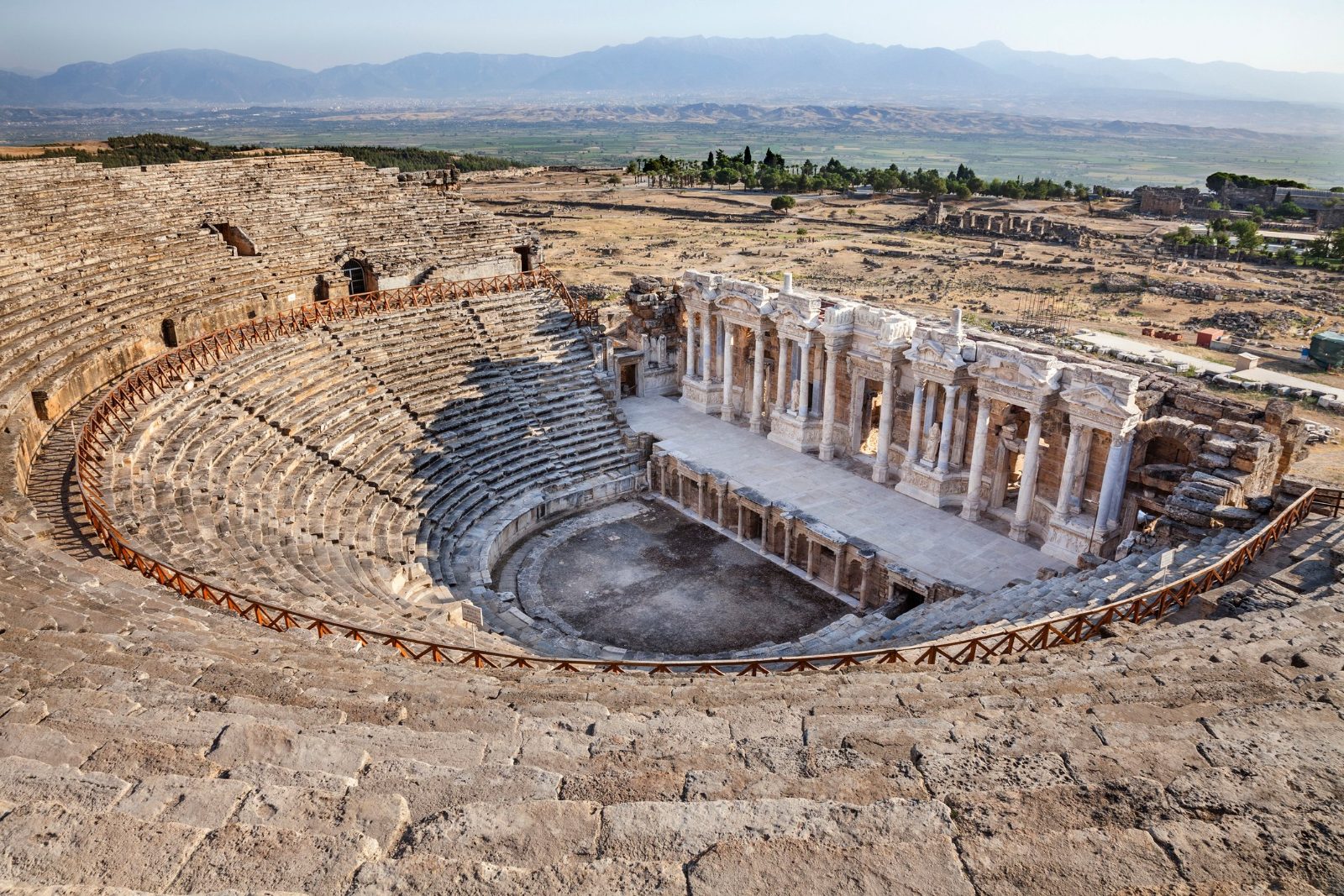
A 2nd-century Roman theatre that seated 15,000 spectators. A top stop on a marmaris to pamukkale tour.
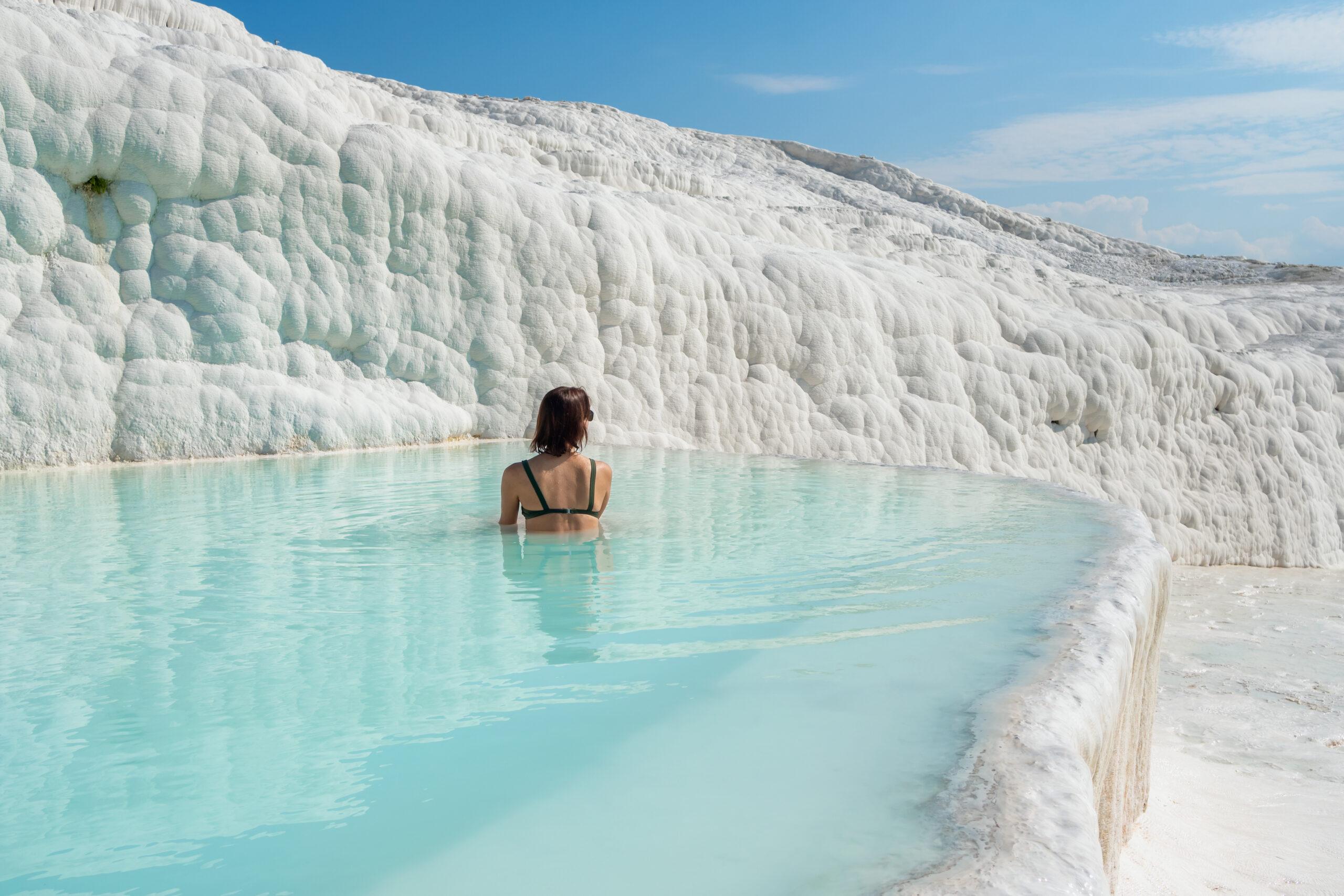
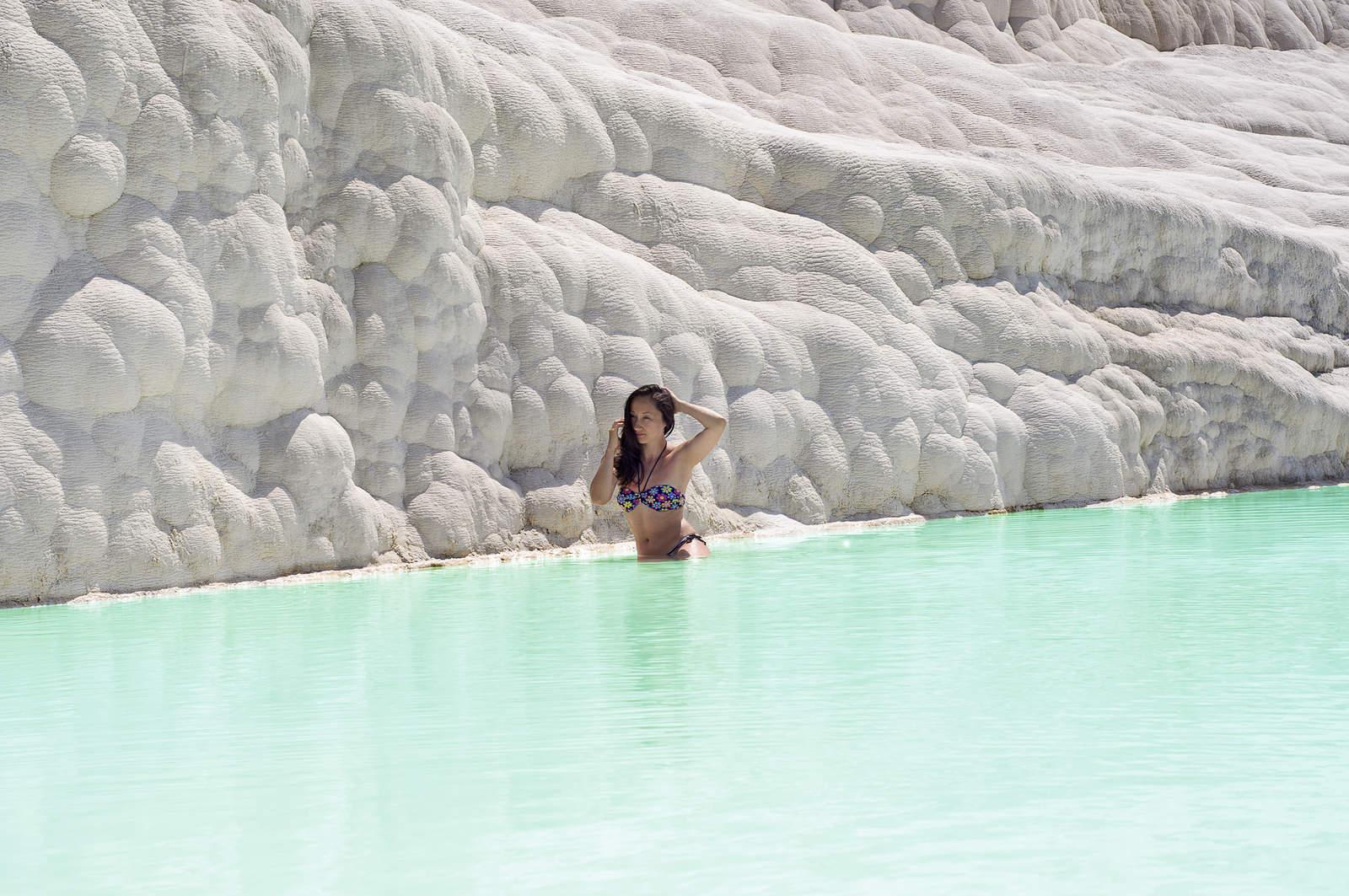
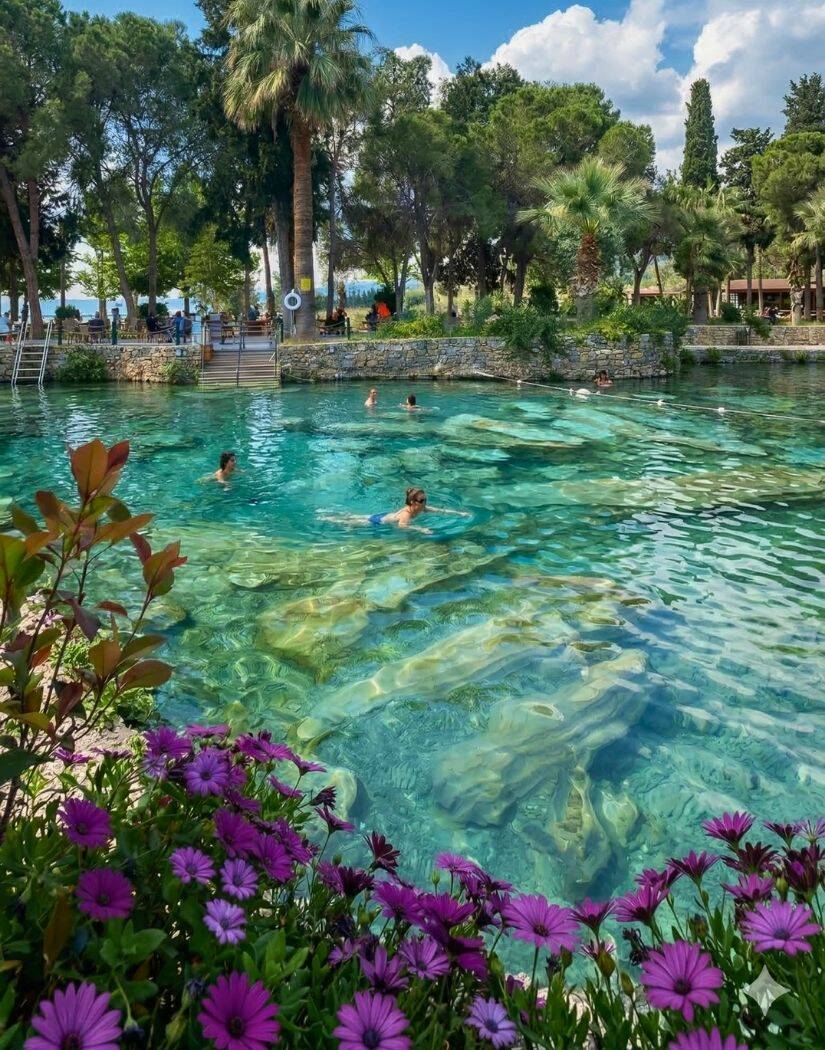
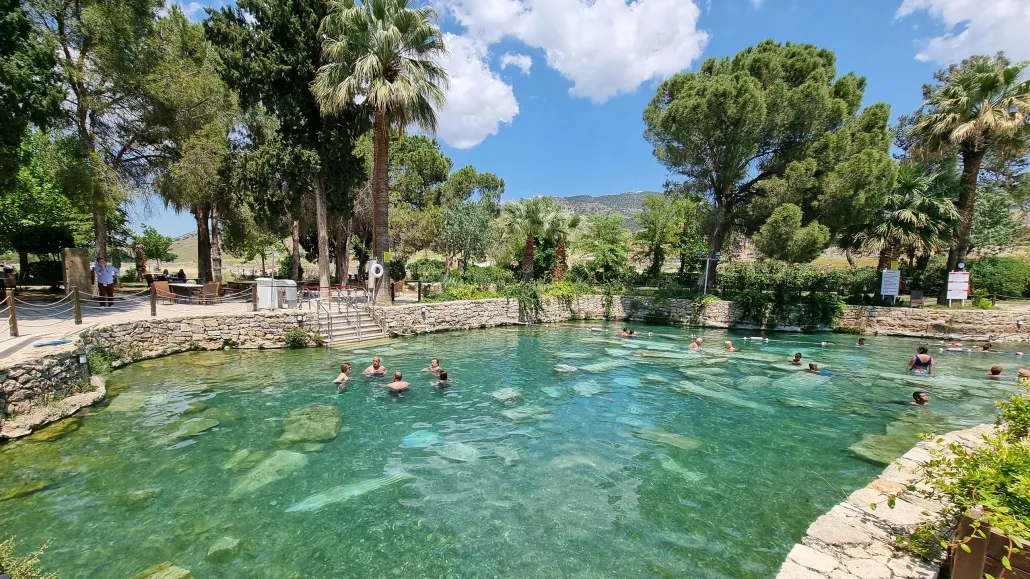
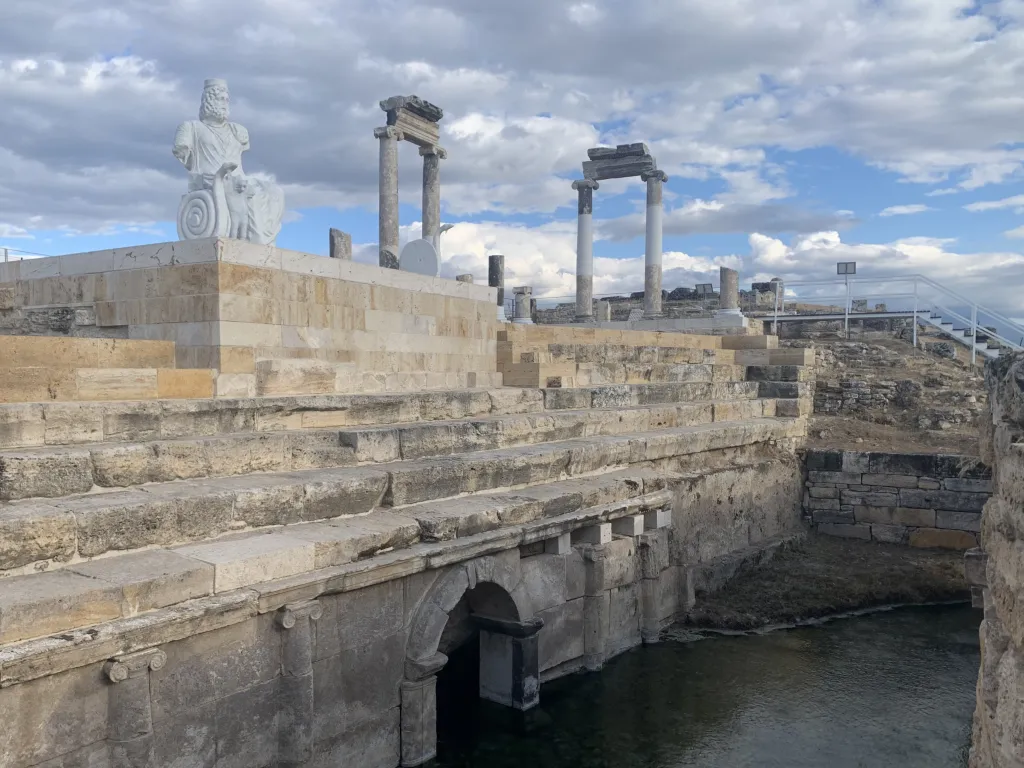
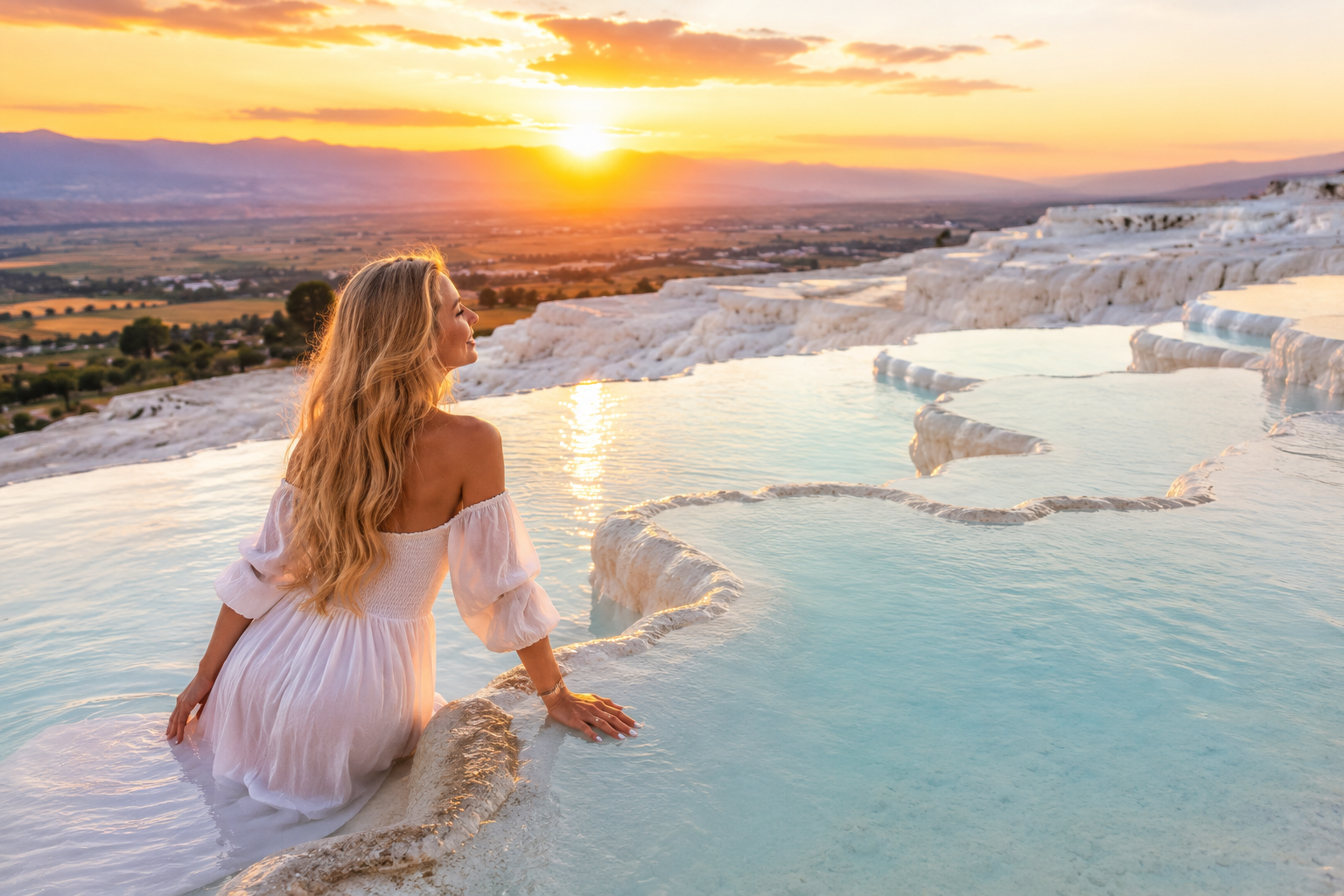
A thermal pool featuring submerged Roman columns. Perfect for relaxing after your marmaris to pamukkale tour.
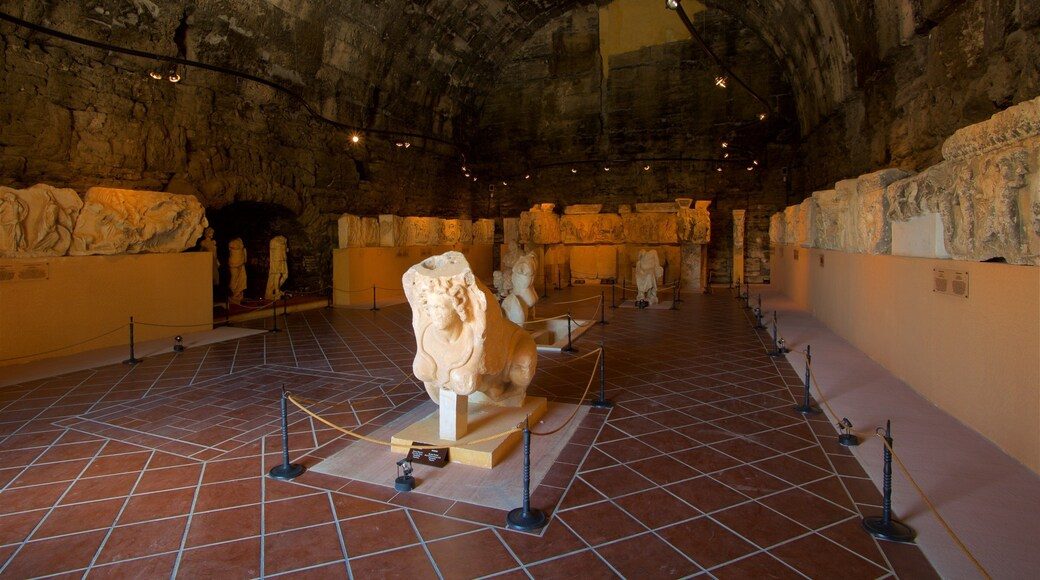
Houses artifacts found in the surrounding valley. A key educational element of a marmaris to pamukkale tour.
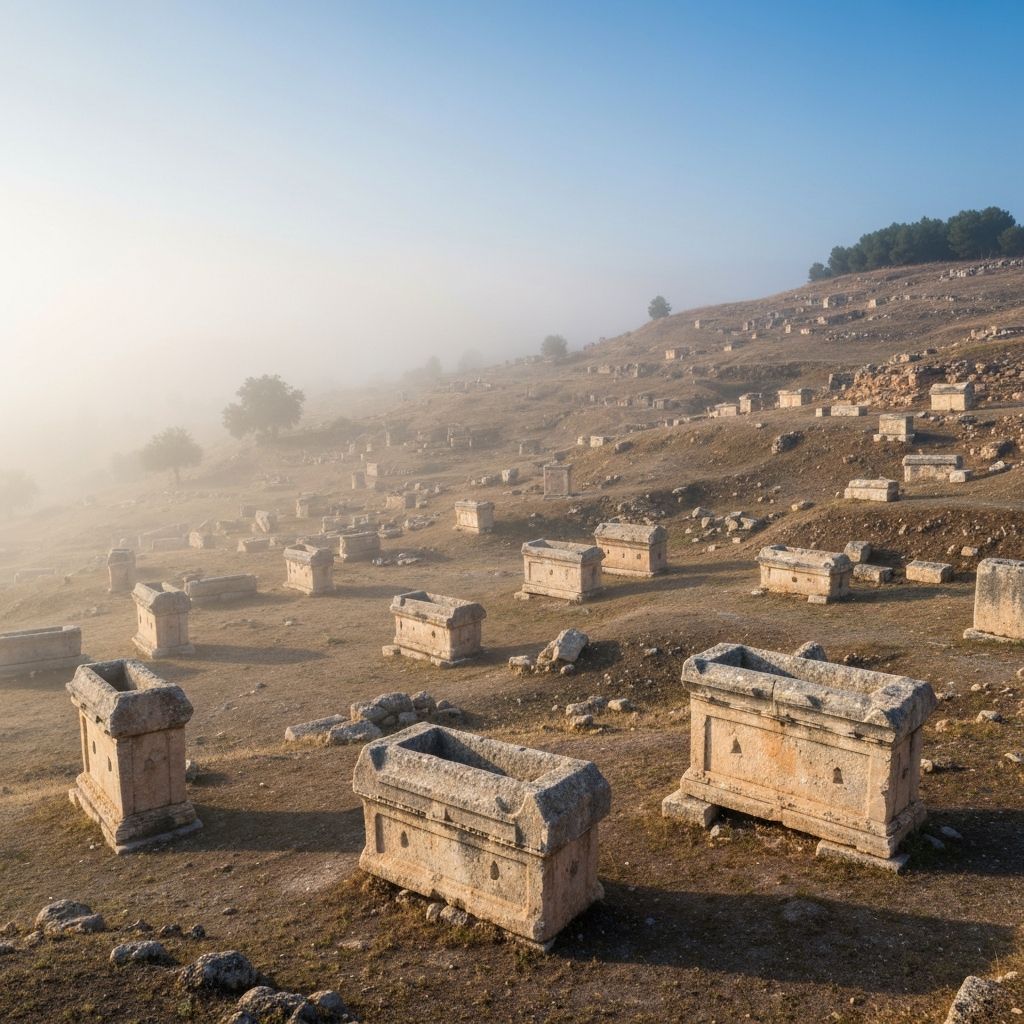
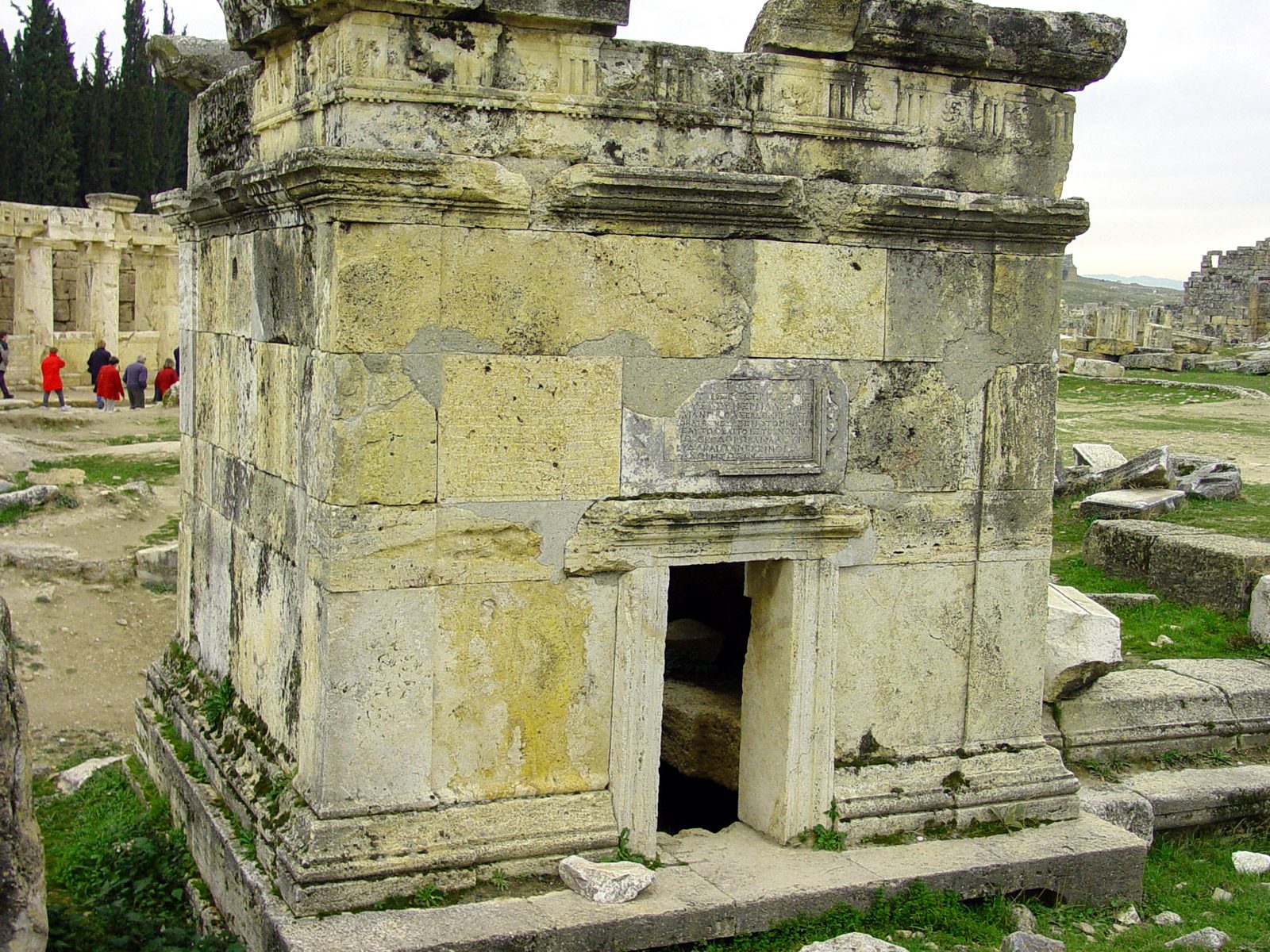
One of the largest ancient cemeteries in Anatolia with over 1,000 tombs.
Every Marmaris to Pamukkale tour side-by-side — duration, what's included, how you redeem.
| Experience | Duration | Rating | Transfers | Pickup | Lunch | Skip-the-line | Price | |
|---|---|---|---|---|---|---|---|---|
|
Guided Experience Most popular
Pamukkale & Hierapolis Full-Day Tour from Marmaris
|
14 hr | ★ 4.6 | ✓ | ✓ | ✓ | ✓ | €39 | Book → |
|
Guided Experience
Pamukkale Thermal Terraces & Hierapolis Ancient City Day Trip
|
13 hr | ★ 4.3 | ✓ | ✓ | ✓ | ✓ | €50 | Book → |
|
Guided Experience
Full-Day Pamukkale & Hierapolis Tour from Marmaris
|
14 hr | ★ 4.8 | ✓ | ✓ | ✓ | ✓ | €32 | Book → |
All prices from verified partners. Availability and exact terms confirmed at checkout.
They complement each other; most visitors who do both call the thermal travertines the more accessible day-trip choice. Choosing between a marmaris to pamukkale tour and a flight to the central Anatolian highlands depends on your available time and desire for ballooning over fairy chimneys.
| Feature | Top pick Pamukkale | Cappadocia |
|---|---|---|
Primary Feature |
Thermal travertines and ruins | |
Primary Travel Distance |
Approximately 250 km from Marmaris | |
Main Activity |
Walking through limestone pools | |
Physical Intensity |
Moderate walking on uneven surfaces | |
Accessibility from Marmaris |
Direct bus or daily tour options | |
Landscape Type |
White mineral terraces | |
| See tickets → |
Verdict: Select Pamukkale if you prioritize short-haul travel for your marmaris to pamukkale tour tours, or choose Cappadocia if you want multi-day exploration of volcanic topography and hot air ballooning with your marmaris to pamukkale tour tickets.
Choose your ticket, select your date, and reserve in under two minutes. Secure checkout handled by our verified partner.
Instant confirmation by email, with a mobile voucher you can save offline. No printing, no queuing at a collection desk.
Arrive at the entrance, show your voucher on your phone, and walk in. Most tickets include priority or skip-the-line access.
Practical details for Marmaris to Pamukkale tickets straight from our verified partners — hours, access, rules, and how to get there.
Pamukkale Mahallesi
Primary entrance for the best walk through the ruins.
Open in Google MapsFollow D585 to Denizli, then local signage to Pamukkale town.
Take a bus to Denizli Otogar, then a local minibus to the site.
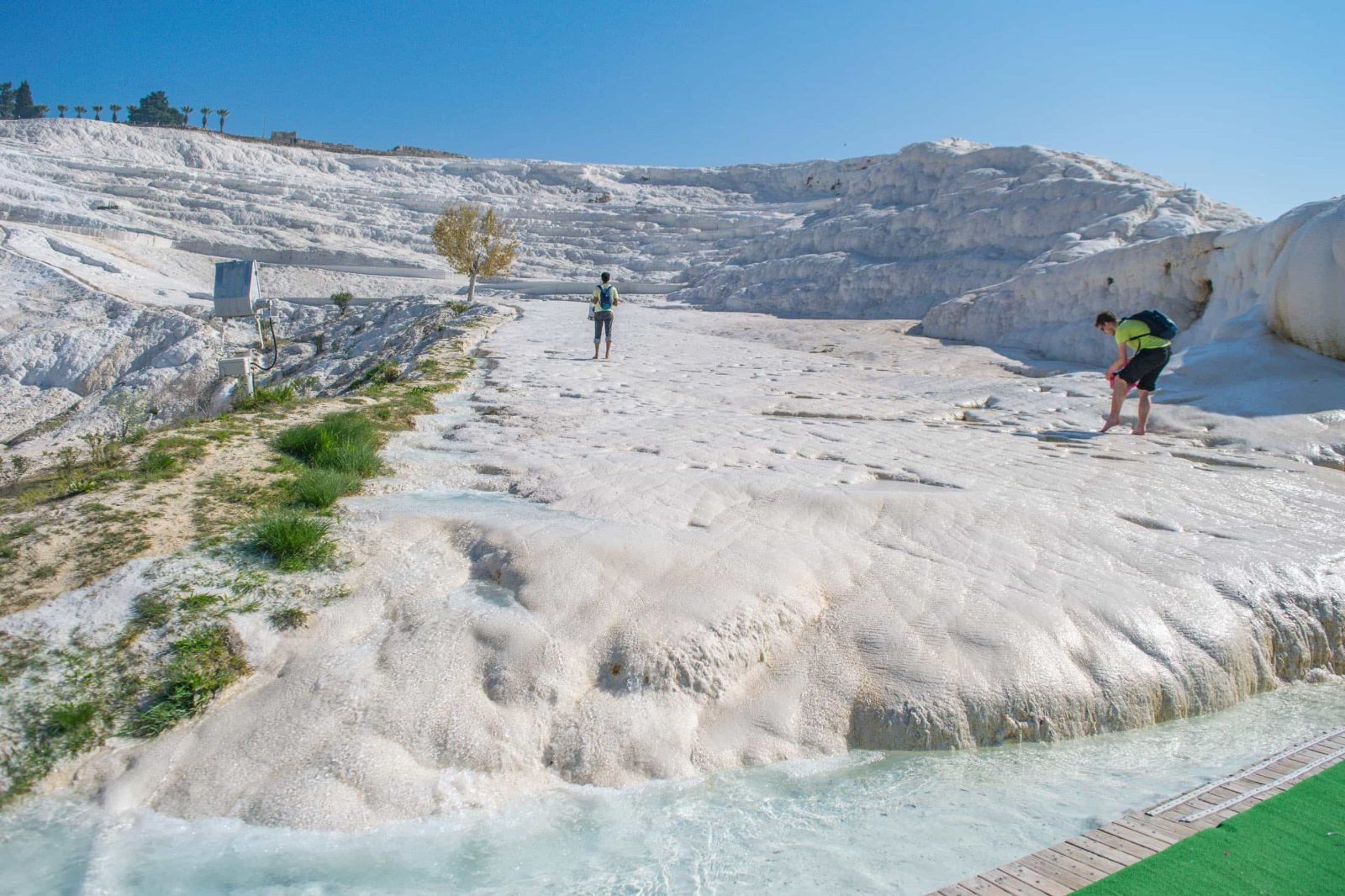
Visitors must remove footwear before walking on the travertine terraces to protect the white mineral formations. Modest clothing is recommended when exploring the ancient city ruins of Hierapolis.
Security checks are conducted at both the Northern and Southern gates. Large bags are discouraged as there are no storage facilities available for your marmaris to pamukkale tour.
Photography is permitted throughout the site, including the terraces and ruins. Using a tripod is generally restricted in crowded areas to ensure pedestrian flow during a marmaris to pamukkale tour.
Portions of Hierapolis are accessible via paved paths, but the travertine slopes are inherently uneven. Visitors requiring assistance should plan for a slower pace during their marmaris to pamukkale tour.
Mobile phones are permitted for personal photography and navigation. Reception is generally stable across the plateau during your marmaris to pamukkale tour.
The site is family-friendly, though strollers are difficult to maneuver on the limestone terraces. Families should bring sun protection and sufficient water for children.
Cafes are located near the Cleopatra Antique Pool area within the site. Picnicking on the travertines is strictly prohibited to preserve the natural mineral environment.
Pets are not permitted inside the archaeological area or on the travertine terraces. Service animals should be cleared at the entrance gate.
Ensure your marmaris to pamukkale tour includes time for the Archaeology Museum. Follow marked paths to respect the site's UNESCO status.
Best time to go, insider tips, nearby landmarks, and the cancellation fine print — flip through to skim what matters to you.
How crowds, weather, and events shift across the year.
March–May offers mild weather and ideal walking conditions.
Small details that turn a good visit into a great one.
Arrive between 06:00–10:00 to avoid mid-morning crowds on your marmaris to pamukkale tour.
Non-bookable sights within a short walk — free to visit, easy to pair.
Well-preserved Roman theatre overlooking the valley.
Extensive ancient burial site with varied sarcophagi.
Historical site once believed to be the portal to the underworld.
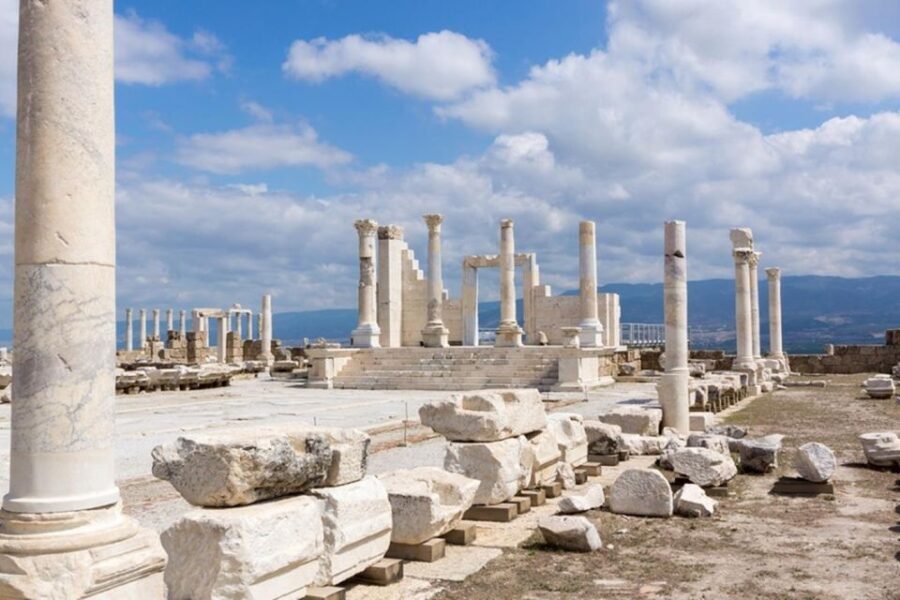
Remnants of a significant religious center in ancient Hierapolis.
Flexible, no hidden fees.
Entry tickets are generally non-refundable once purchased. The 30 EUR entrance fee covers access to Pamukkale travertines, Hierapolis ruins, and the Archaeology Museum.
Hand-picked options within walking distance — pick a district for vibe, or a specific hotel for convenience.
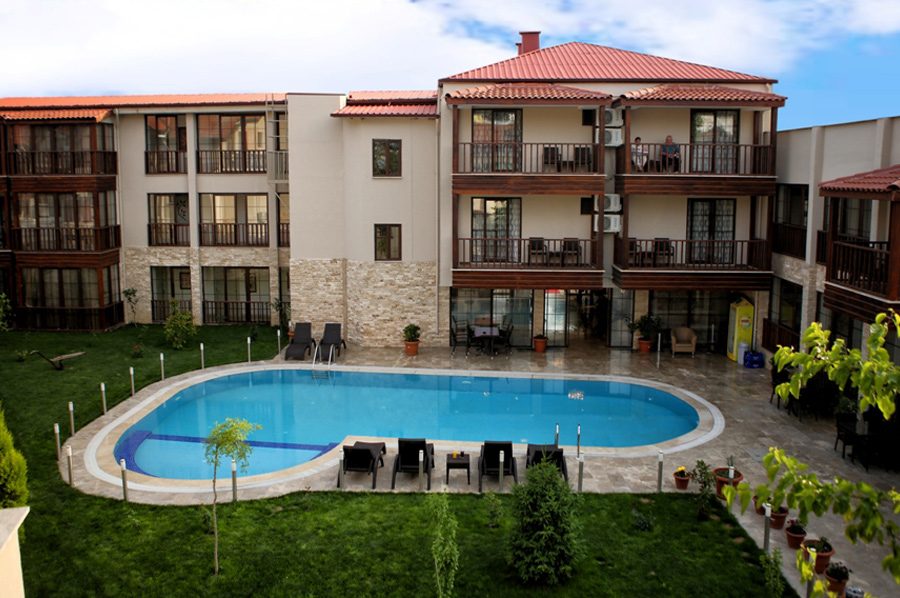
Modern rooms near the base of the travertines.
Comfortable stay with easy access to town facilities.
Simple, central location for visitors.
The calcium-carbonate terraces at Pamukkale have been depositing white mineral layers for seventeen thousand years, a geological clock visible from the ridge above Denizli.
Roman engineers recognized the thermal springs' medicinal potential in the second century BCE, founding Hierapolis as a spa retreat where citizens soaked in mineral-rich water that emerged at thirty-five degrees Celsius year-round. The settlement grew into a major city by the reign of Emperor Hadrian, its population swelling to one hundred thousand inhabitants who built bathhouses, a twelve-thousand-seat theatre, and a necropolis that eventually held twelve hundred tombs — one of the largest burial grounds in Anatolia.
The site remained active through Byzantine rule until earthquakes in 1334 and 1354 fractured the aqueduct network and depopulated the plateau. The springs continued their work undisturbed, draping the hillside in travertine formations that Turkish farmers named Pamukkale — cotton castle — for the way sunlight catches the white terraces. UNESCO designated the combined natural and archaeological site a World Heritage property in 1988, recognizing both the ongoing mineral deposition and the ruins that span Hellenistic, Roman, and Byzantine periods. The 30-EUR conservation fee, introduced in 2023, funds restoration work on the theatre's stage building and maintains boardwalks that protect the fragile calcium layers from erosion.
A marmaris to pamukkale tour covers roughly four hours of driving northeast through the Menderes Valley, trading coastal scrub for inland plateaus where cotton fields give way to pine forest. Most operators depart between 05:00 and 06:00 to reach the terraces by mid-morning, allowing time to walk the travertine pools barefoot — footwear is prohibited to preserve the mineral surface — before touring Hierapolis' colonnaded street and the Archaeology Museum housed in the old Roman baths. The site opens at 06:00, an hour that delivers soft light on the white formations and cool temperatures before the plateau heats to thirty-eight degrees in summer. Guides emphasize that how far is pamukkale from marmaris — two hundred forty kilometers one way — makes this a full-day commitment, typically returning to coastal hotels by 20:00 after stops at an onyx workshop and a vineyard near Kale.
The thermal pools atop the plateau, where shallow turquoise water sits over submerged column fragments, remain the only place visitors can still wade among the ruins. The rest of Hierapolis is a walking site, its marble-paved streets tracing a grid that climbs from the South Gate to the Martyrium of St Philip on the northern slope. The necropolis stretches two kilometers outside the city walls, its sarcophagi and tumuli illustrating fifteen centuries of burial practice. Pamukkale's appeal lies in that collision: a living geological process framing a city that thrived on the same chemistry, both preserved at the moment tourism infrastructure caught up to the site's fragility.

"The springs continued their work undisturbed, draping the hillside in travertine formations that Turkish farmers named Pamukkale — cotton castle — for the way sunlight catches the white terraces."
A step-by-step walkthrough of Marmaris to Pamukkale tickets — what you'll see, how long each stage takes, and the details that matter.
You meet your driver at your Marmaris hotel lobby before dawn, boarding an air-conditioned coach that climbs inland through the Menderes River valley as first light spreads across tobacco farms and citrus groves.
The drive takes four hours, winding northeast past Muğla and Denizli before the white terraces appear on the plateau ahead, a limestone cascade visible from ten kilometers out. You arrive at the upper entrance near Hierapolis by 10:00, removing your shoes to walk barefoot across the travertines — the calcium surface is smooth and warm underfoot, the shallow pools reflecting blue sky between ridges of deposited mineral.
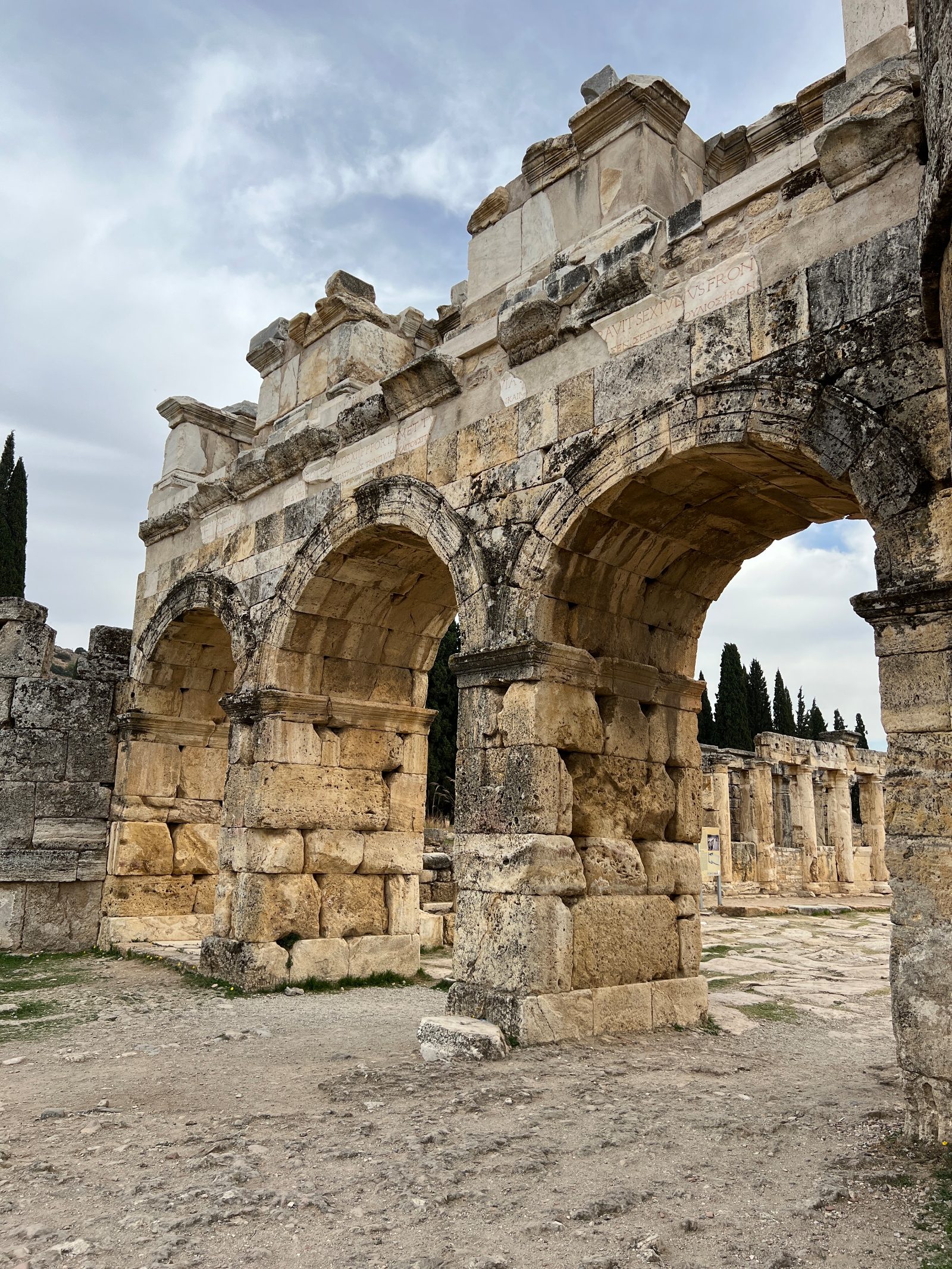
Your guide leads you down the terraced slope, pausing at overlooks where you can photograph the formations against the valley floor two hundred meters below. The path descends gradually, passing through ankle-deep water that pools behind natural travertine dams. At the bottom you towel off and walk north into Hierapolis, entering through the Roman-era South Gate. The colonnaded street runs straight for half a kilometer, ending at the theatre whose forty-five rows of seating face west toward Pamukkale's white slope. You climb to the upper tiers for perspective on the stage building, its restored facade showing three stories of Corinthian columns.
After lunch at a terrace restaurant overlooking the valley, you tour the Archaeology Museum — housed in the old Roman baths — where marble statuary and sarcophagus reliefs fill vaulted rooms. The final stop is the thermal pool atop the plateau, where you wade among submerged column fragments before returning to the coach for the four-hour drive back to Marmaris, arriving at your hotel by 20:00.
The site is open daily from 06:00–23:00 for visitors on a marmaris to pamukkale tour.
The 30 EUR fee is a standard government charge; verify if your specific marmaris to pamukkale tour includes this in the price.
Early arrival between 06:00–10:00 is recommended for any marmaris to pamukkale tour to beat the heat.
The terrain is uneven, so consider your mobility needs before booking a marmaris to pamukkale tour.
Cameras are welcome during your marmaris to pamukkale tour, though tripods may be restricted.
Yes, your entrance covers the travertines, Hierapolis, and the Archaeology Museum during a marmaris to pamukkale tour.
Bring comfortable, non-slip footwear and sun protection for your marmaris to pamukkale tour.
There are cafes near the pool, but prepare accordingly for your marmaris to pamukkale tour.
Families are welcome, but be aware that strollers are difficult on the terraces during a marmaris to pamukkale tour.