
14 hr
Pamukkale & Hierapolis Full-Day Excursion from Marmaris
Journey to the legendary white terraces and ancient thermal spa city with breakfast, lunch & transport
Reserve
Hand-picked by our editors — only the best 5 excursions from 14 reviewed.
Verified partners for every tour, free cancellation where available, and instant confirmation on every booking.
14 hr
Journey to the legendary white terraces and ancient thermal spa city with breakfast, lunch & transport
Reserve
14 hr
Journey to Turkey's famed white travertines and ancient Roman spa city on this comprehensive day trip
Reserve
11 hr
Visit the Cotton Castle travertines and Hierapolis ruins after sunset, with hotel transfers and dinner included.
ReservePrices from verified partners. Availability updates in real time at checkout. Free cancellation policies apply where shown.
The landmarks, rooms, and views travelers on this tour remember — all visible on a single visit.
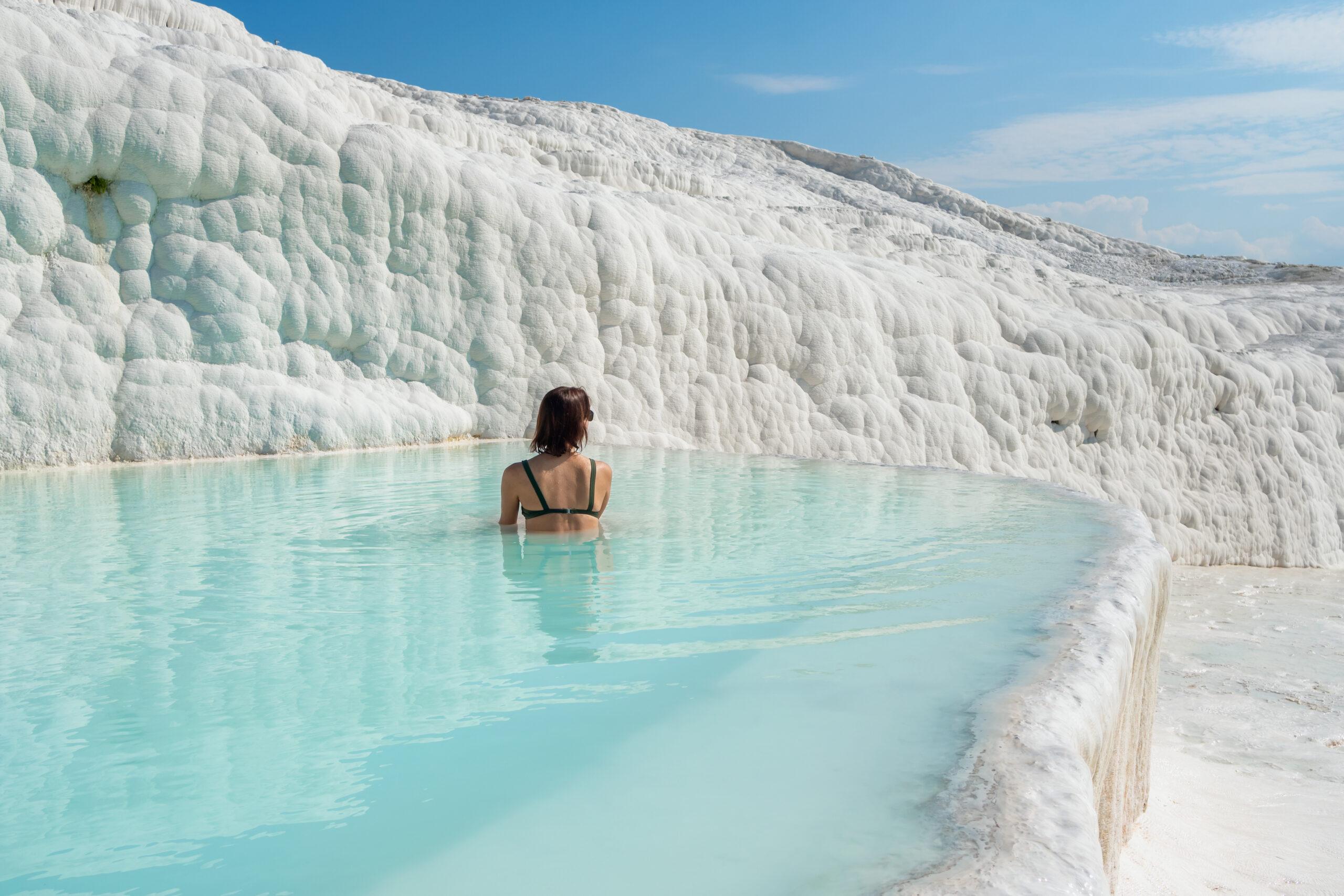
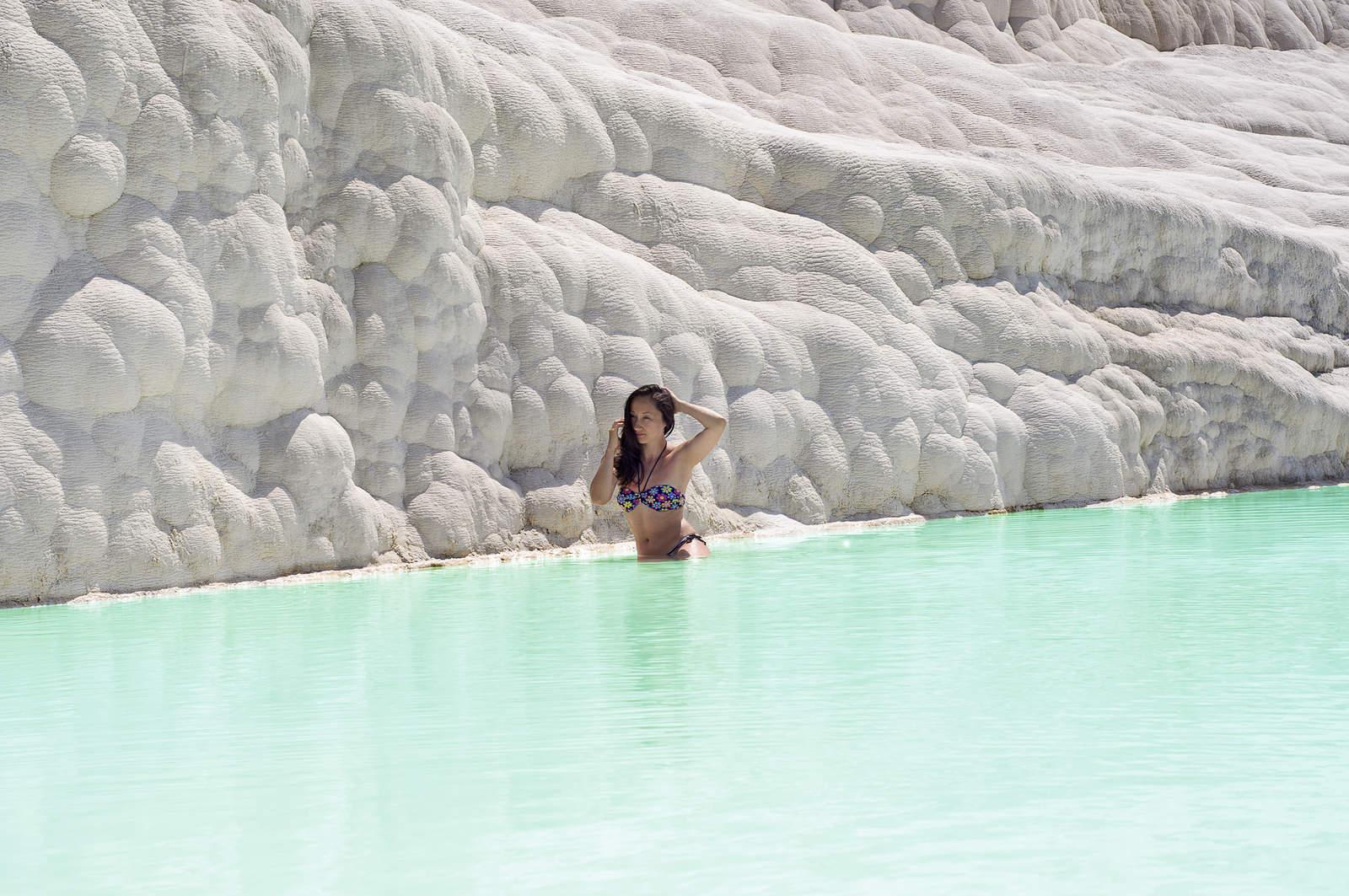
These white calcium carbonate deposits have formed naturally over thousands of years and create shallow thermal pools.
This massive structure seated over 12,000 spectators and showcases remarkably preserved Roman stone carvings.
Famous for its submerged Roman columns, this thermal pool remains a highlight for visitors seeking a unique swim.
This expansive ancient cemetery features over 1,200 tombs and sarcophagi from the Hellenistic and Roman eras.
Built over a fault line, this temple was once the religious center of the ancient city.
They offer distinct experiences; Pamukkale is the preferred choice for natural geological wonder, while Ephesus is superior for those seeking immersive archaeological history.
| Feature | Top pick Pamukkale | Ephesus |
|---|---|---|
Primary Appeal |
Thermal travertines and pools | Ancient Greek and Roman ruins |
Travel Time from Marmaris |
Approx. 3.5–4 hours one way | Approx. 3 hours one way |
Physical Effort |
High; involves significant walking | High; uneven ancient stone surfaces |
Key Sights |
White terraces and Hierapolis | Library of Celsus and amphitheater |
Ideal Visitor Profile |
Nature enthusiasts and photographers | History buffs and scholars |
| See tickets → |
Verdict: Select a pamukkale day trip from marmaris tours package if you prioritize swimming in calcium deposits, or choose Ephesus for its UNESCO-listed classical heritage sites that represent a different pamukkale day trip from marmaris tickets experience than the thermal landscape.
Choose your ticket, select your date, and reserve in under two minutes. Secure checkout handled by our verified partner.
Instant confirmation by email, with a mobile voucher you can save offline. No printing, no queuing at a collection desk.
Arrive at the entrance, show your voucher on your phone, and walk in. Most tickets include priority or skip-the-line access.
Practical details for your visit straight from our verified partners — hours, access, rules, and how to get there.
Pamukkale District
Primary entrance for tourist buses
Follow D585 from Denizli; parking available at both gates.
Visitors are required to remove footwear when walking on the white travertine terraces to prevent damage to the calcium deposits. Modest clothing is recommended when exploring the adjacent Hierapolis archaeological site.
Standard security checks occur at the main entrances of the park. Backpacks and personal bags are permitted but must be carried throughout your visit.
Personal photography is permitted throughout the Pamukkale terraces and Hierapolis ruins. Use of drones is strictly prohibited without special authorization from the Ministry of Culture and Tourism.
The white travertine terraces are naturally uneven, slippery, and pose significant challenges for wheelchairs. Accessible paths are limited, though some parts of the Hierapolis ruins are reachable via paved surfaces.
Mobile phone use is permitted throughout the complex. Reception is generally stable, though it may fluctuate in the lower valley areas.
The area is suitable for families, but parents should exercise caution on the slippery travertine slopes. Strollers are difficult to maneuver on the natural formations.
Food and drink options are available at the top of the plateau near the thermal pool. Consuming food on the fragile travertine terraces is strictly prohibited to maintain site preservation.
Pets are not permitted inside the protected area of the travertines and the Hierapolis archaeological site.
The 30 EUR entrance fee covers both the travertine terraces and the Hierapolis ruins. Ensure you keep your ticket accessible for inspection at different sectors of the site.
Best time to go, insider tips, nearby landmarks, and the cancellation fine print — flip through to skim what matters to you.
How crowds, weather, and events shift across the year.
Mild temperatures between 15°C and 25°C make exploration comfortable.
Small details that turn a good visit into a great one.
Walking on the white terraces requires bare feet; bring a bag to carry your shoes.
Non-bookable sights within a short walk — free to visit, easy to pair.
A historic thermal pool featuring submerged Roman columns.
Flexible, no hidden fees.
Cancellation terms depend on the specific tour provider. The standard entrance fee of 30 EUR for foreign adults is typically non-refundable once the site pass is issued.
Hand-picked options within walking distance — pick a district for vibe, or a specific hotel for convenience.
Small hotels and guesthouses within walking distance.
The calcium carbonate pools of Pamukkale have been depositing mineral-laden water for seventeen thousand years, building white travertine terraces that climb two hundred metres above the Çürüksu plain. The name translates directly to cotton castle, a reference to the bleached appearance of the formations when viewed from the valley floor. By the second century BCE, the Attalid dynasty of Pergamon had founded Hierapolis at the plateau's edge, drawn by the thermal springs that fed both the terraces below and a chain of bathhouses within the city itself. Today the site operates as a unified archaeological park, with Hierapolis recognised as one of the best-preserved Greco-Roman spa cities in Anatolia. The necropolis contains more than twelve hundred tombs, arranged along the road that once connected the city to Laodicea and Colossae. The theatre, carved into the hillside in the second century CE under Hadrian and Septimius Severus, seats fifteen thousand and retains much of its original stage building, including relief panels depicting the life of Dionysus and Apollo. The travertine pools themselves remain active, fed by springs that emerge at a constant thirty-five degrees Celsius and carry a mineral load so high that the overflow calcifies within hours of exposure to air. A Pamukkale day trip from Marmaris typically departs before dawn, covering the three-hundred-kilometre route inland through the Gökova basin and the Menderes valley. The journey crosses three climate zones, moving from the humid Aegean littoral into the drier continental interior of Denizli province. Most full-day itineraries allocate three to four hours within the archaeological zone, allowing time to walk the terraces barefoot — a conservation measure introduced in the nineteen nineties to reduce erosion — and explore the upper plateau where Hierapolis spreads across eighty-two hectares. The Hierapolis Archaeology Museum, housed in the restored Roman baths, displays artefacts from the site's excavation, including sarcophagi reliefs, cult statuary, and inscriptions that document the city's role as a religious centre dedicated to Cybele and later to Apollo. Some excursions include a stop at the Antique Pool, where submerged marble columns from a collapsed temple colonnade rest beneath thermal water. The site opens daily at half past six, with the earliest arrival window offering cooler temperatures and thinner crowds before the midday heat settles over the plateau. Entrance is thirty euros for foreign adults, covering both the travertines and the Hierapolis ruins. The conservation fee supports ongoing restoration work and monitoring of the spring flow, which has fluctuated in recent decades due to upstream water extraction.
"The calcium carbonate pools have been depositing mineral-laden water for seventeen thousand years, building terraces that climb two hundred metres above the plain."
A step-by-step walkthrough of the visit — what you'll see, how long each stage takes, and the details that matter.
You leave Marmaris in darkness, the coach climbing away from the coast and into the pine-covered ridges that separate the Aegean from the interior. By the time the road drops into the Menderes valley, the sun is lifting behind the Honaz range, and the white terraces of Pamukkale come into view across the plain, stacked like frozen waterfalls against the hillside. You enter through the lower gate and remove your shoes before stepping onto the travertine, the calcified surface warm and slightly abrasive underfoot. The path ascends through shallow pools that spill from one tier to the next, each basin edged with rippled deposits where mineral-rich water has dried in the sun. At the top of the slope, the plateau opens onto the grid of Hierapolis, and you walk the colonnaded street that once linked the agora to the northern baths. The theatre rises to your left, its stone benches catching the morning light, and beyond it the necropolis stretches along the ancient road, sarcophagi tilted and scattered among the grass. You pause at the Antique Pool, where submerged columns rest in thermal water, then return down the terraces as the afternoon heat builds. The coach departs mid-afternoon, retracing the route west, and you reach Marmaris after dark, the descent back to the coast marked by the gradual return of salt air and humidity.
The site is open daily from 06:30–21:00.
The entrance fee is 30 EUR for foreign adults, which covers Hierapolis and the travertines.
We recommend arriving between 06:30–09:00 to avoid peak crowds and midday heat.
Storage options are limited, so carry only essentials on your pamukkale day trip from marmaris.
Swimming in the Antique Pool requires a separate fee, which is often not included in basic pamukkale day trip from marmaris tours.
Eating is not permitted on the terraces, but dining options are available nearby on your pamukkale day trip from marmaris.
The travertine terraces are slippery and difficult for mobility devices, though some ruins are accessible.
Travel from Marmaris to Pamukkale typically takes 3 to 4 hours one way.
Families are welcome, but ensure children stay on designated paths on your pamukkale day trip from marmaris.
Wear easy-to-remove shoes and bring swimwear for a comfortable pamukkale day trip from marmaris.