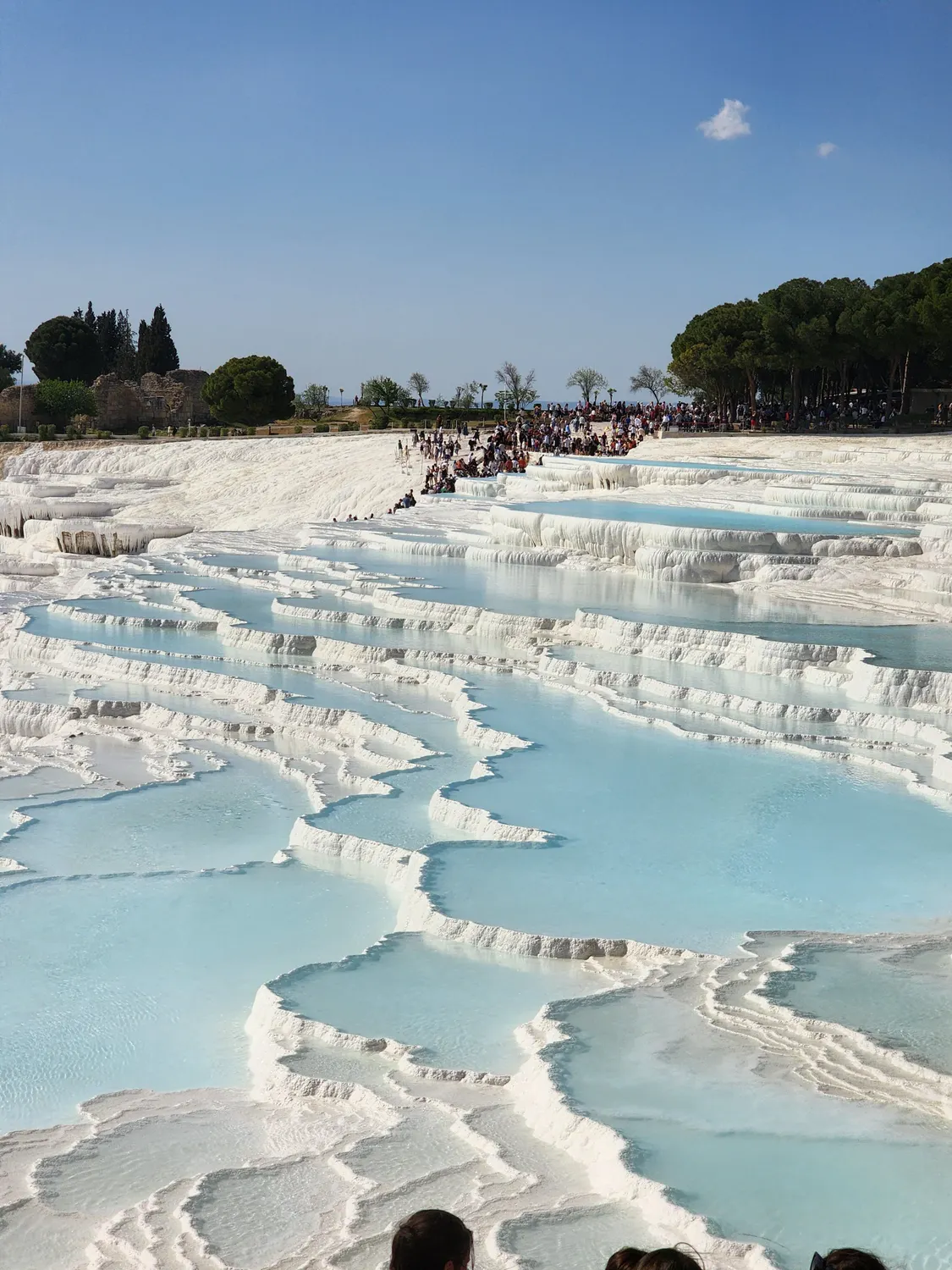
Travertine Terraces
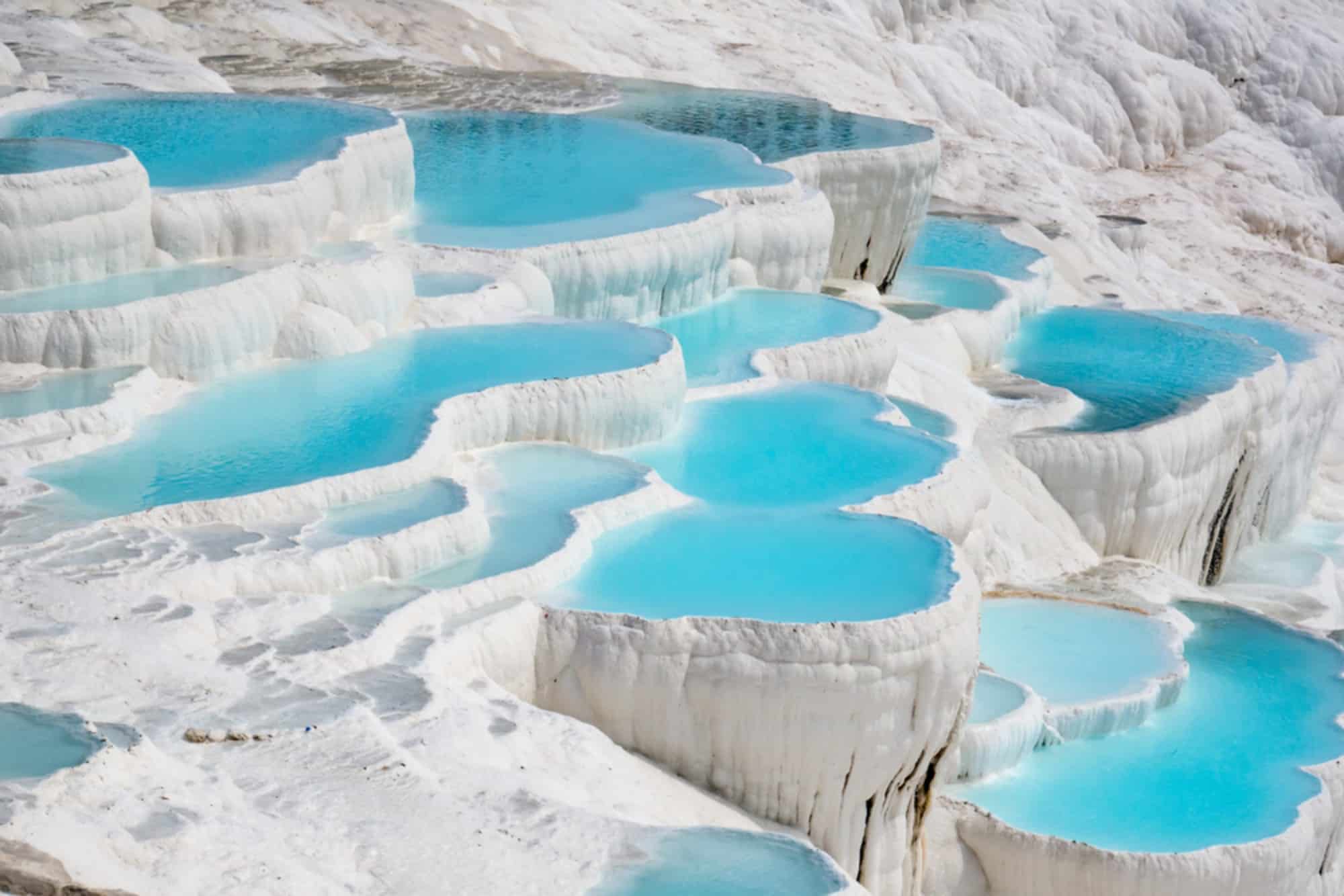
The natural white calcium carbonate terraces formed by mineral-rich thermal waters. Walking barefoot is required to preserve the delicate structures.
Walk to the upper levels early for clear water pools.

The journey from Marmaris to Pamukkale spans roughly 210 kilometers through southwestern Turkey, connecting the Mediterranean coast with one of the country's most distinctive geological sites. The trip involves mountain roads, inland plateaus, and a shift from sea-level humidity to the mineral-rich landscape of Denizli Province.
Quick answer
A Marmaris to Pamukkale trip takes approximately 3.5 to 4 hours by road, covering 210 kilometers through mountain passes and inland terrain. Most visitors travel by organized tour with early-morning departure, though private transfer and self-drive options exist. The site opens at 06:30 daily, and the general entrance fee is 30 EUR, covering both the travertine terraces and the adjacent Hierapolis archaeological zone.
The road from Marmaris to Pamukkale cuts inland from the Aegean coast, climbing through pine-covered hills before descending into the Denizli basin where the white calcium carbonate terraces dominate the plateau edge. The journey is rarely direct—most routes pass through Muğla Province before turning northeast toward Denizli, and the final approach offers views of the terraces from several kilometers away, a bright stripe against the ridge. Pamukkale itself sits at roughly 350 meters elevation, perched above the town of the same name. The thermal springs that feed the terraces have been active for millennia, depositing calcium carbonate in rippling white formations that resemble frozen waterfalls. Hierapolis, the ancient city built atop the plateau, adds a second layer to any visit—its necropolis, theater, and colonnaded streets occupy the same ticket zone. The two sites function as a single complex, and most travelers from Marmaris allocate a full day to cover both the natural formations and the ruins. The infrastructure for this route is well-established. Tour operators in Marmaris run scheduled departures, typically collecting passengers before dawn to maximize time on-site and avoid midday heat. Private transfers offer flexibility but cost considerably more, while rental cars require comfort with rural Turkish highways and summer traffic around the site entrance. The return journey to Marmaris follows the same route, often departing Pamukkale in late afternoon to reach the coast by evening. Visitors arriving from the coast should expect a landscape transition—Pamukkale's arid plateau contrasts sharply with Marmaris's forested peninsulas and cove beaches. The thermal water that pools on the terraces is warm year-round, and walking barefoot across the travertine is mandatory to preserve the formations. The site's scale becomes apparent only on foot: the terraces descend in tiers for nearly 200 meters, each basin catching mineral-laden water before it spills to the next level. Hierapolis spreads across the plateau above, its ruins scattered over several square kilometers. A visit from Marmaris to Pamukkale is logistically straightforward but requires stamina—the combination of travel time, sun exposure, and walking distance makes this a full-commitment day.
“The thermal springs that feed the terraces have been active for millennia, depositing calcium carbonate in rippling white formations that resemble frozen waterfalls.”
This itinerary suits travelers departing Marmaris early and returning the same evening, covering the full site in 4–5 hours on the ground. The round trip takes 12–14 hours door-to-door.
Leave your hotel before sunrise for the three-hour drive north through mountain passes and rural Denizli province. Most tours provide breakfast en route or upon arrival.
Reach the site during the quietest window, before mid-morning tour groups from coastal resorts. Enter through the lower terrace gate to start at the iconic white calcium pools.
Climb barefoot across the chalky white formations, pausing in the warm thermal pools that cascade down the hillside. Allow 45 minutes to reach the upper plateau.
Walk the colonnaded street, visit the well-preserved theater with seating for 12,000, and see the Necropolis stretching along the northern road. The Roman bath complex now houses the archaeology museum.
Stop at a local restaurant near the site or eat a packed lunch in the shaded areas around the upper plateau. Most tours include a set meal.
Swim among submerged marble columns in the thermal spring pool if time and interest allow; entry requires a separate fee. Skip this if you prefer to linger at the travertines.
Depart Pamukkale for the drive back to Marmaris, arriving by early evening. The return route follows the same inland highway through Denizli and Muğla provinces.
The most effective way to experience Pamukkale is to arrive within the best arrival window of 06:30–09:00. This timing allows visitors to explore the site before the arrival of large tour groups from coastal resorts and minimizes exposure to midday heat.
Mild, 20°C to 25°C
Ideal for comfortable walking and photography. Temperatures are pleasant for climbing the terraces.
Hot, 30°C to 35°C+
Early morning is necessary to avoid intense heat. Midday sun on the white travertine can be intense.
Warm, 22°C to 28°C
Weather remains stable and suitable for outdoor exploration. Crowds begin to thin out toward late October.
—
Provides the highest chance of quiet conditions. Visiting midweek avoids weekend traffic from regional centers.
Verdict: The best visit occurs on a weekday between 06:30–09:00 during the months of April, May, or October.
Pamukkale is located approximately 240 kilometers northeast of Marmaris. The most common approaches involve organized shuttle services or private vehicle travel via the D330 and D585 highways.
D330 and D585 highways
Direct routes from Marmaris Bus Terminal (Otogar)
Direct transfer via D330
To ensure a smooth start to your visit, aim for the best arrival window of 06:30–09:00. Arriving during this period allows you to access the Hierapolis Ancient City before the influx of large tour groups from coastal resorts.
Hierapolis Ancient City remains accessible to visitors every day of the week. The site maintains consistent operating hours throughout the year.
Pamukkale features several distinct historical and natural landmarks within the Hierapolis Ancient City site. These areas represent the primary points of interest for visitors traveling from Marmaris.
The natural white calcium carbonate terraces formed by mineral-rich thermal waters. Walking barefoot is required to preserve the delicate structures.
Walk to the upper levels early for clear water pools.
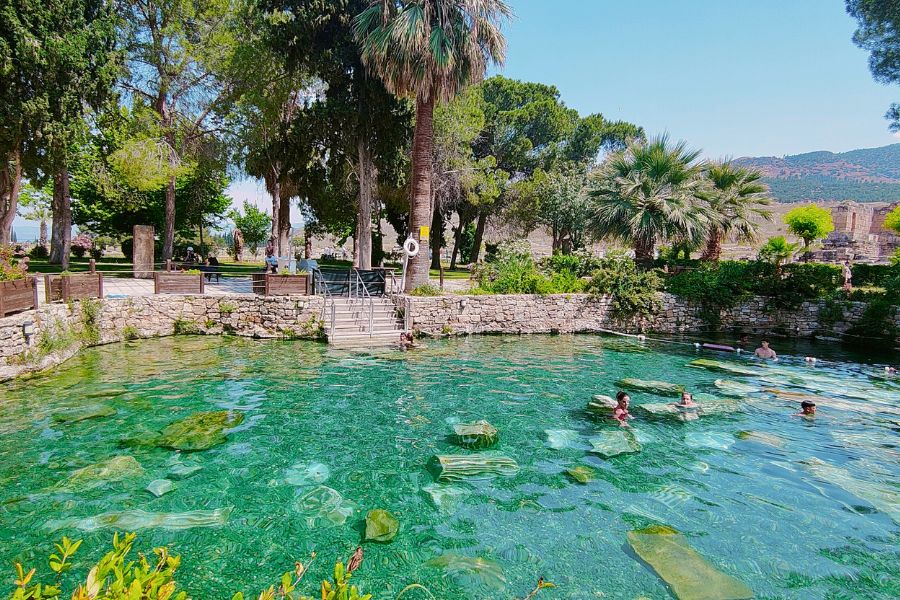
A thermal pool containing submerged ancient Roman columns from the original city. Visitors may swim in these mineral-rich waters for an additional charge.
Visit during the morning to avoid high water temperatures.
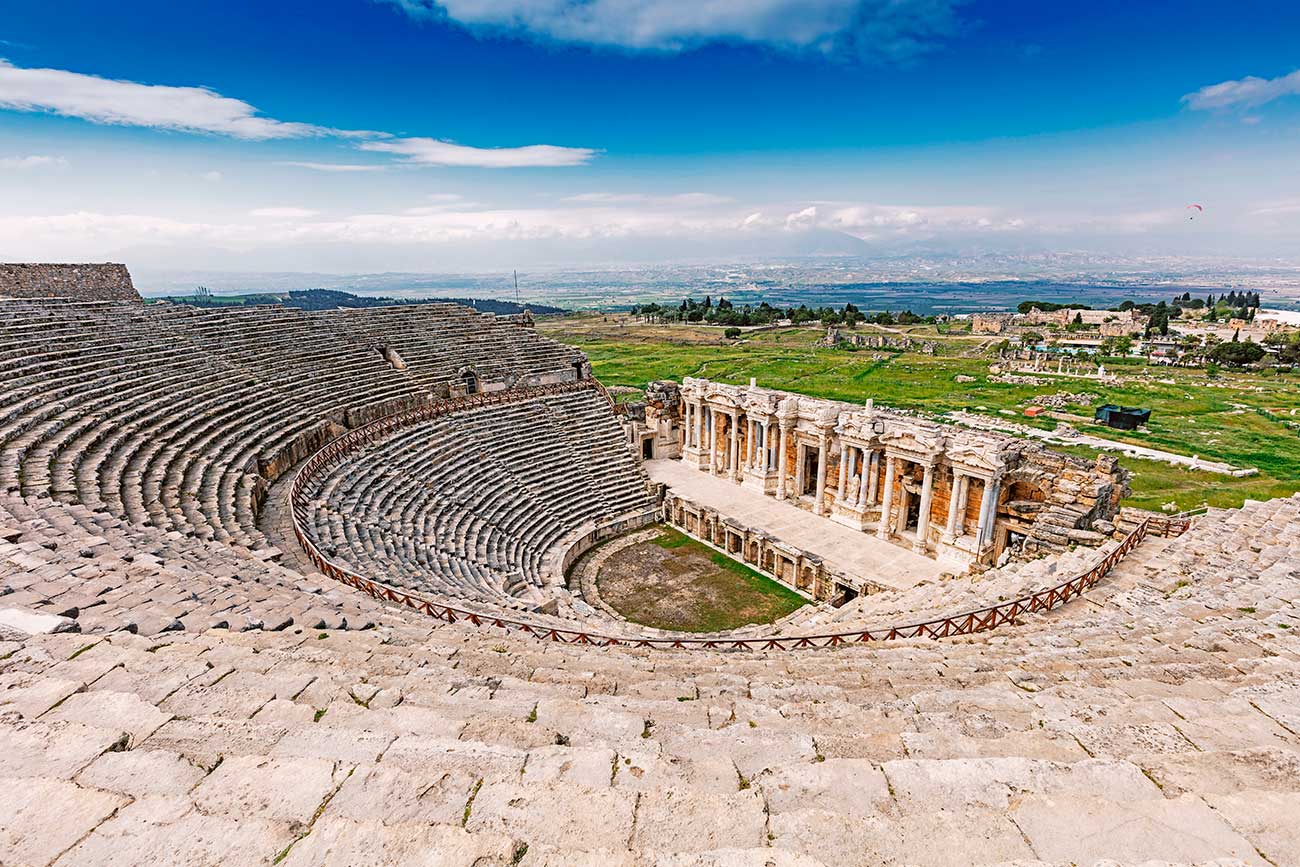
A well-preserved Roman theater built into the hillside overlooking the ancient city. It features ornate seating sections and detailed architectural reliefs.
Climb to the top tier for views of the entire valley.
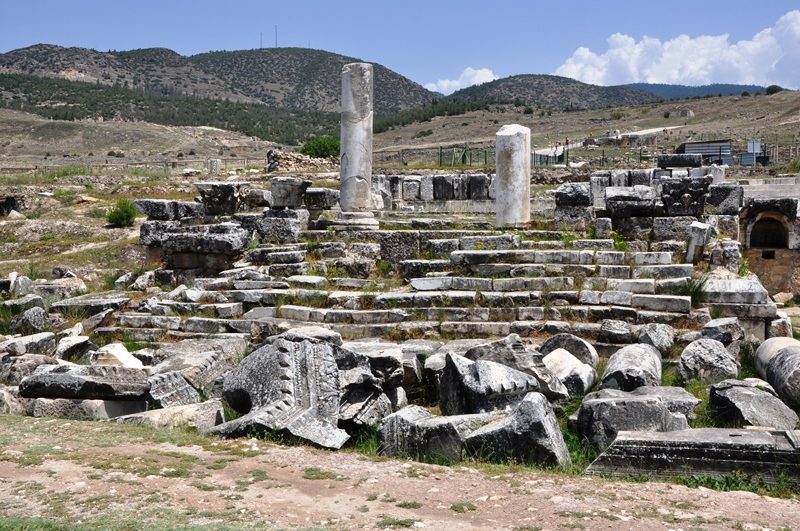
The ruins of a sanctuary dedicated to the god of the sun, situated near the Ploutonion. This site highlights the religious importance of the area in antiquity.
Observe the stone foundations from the main walking path.
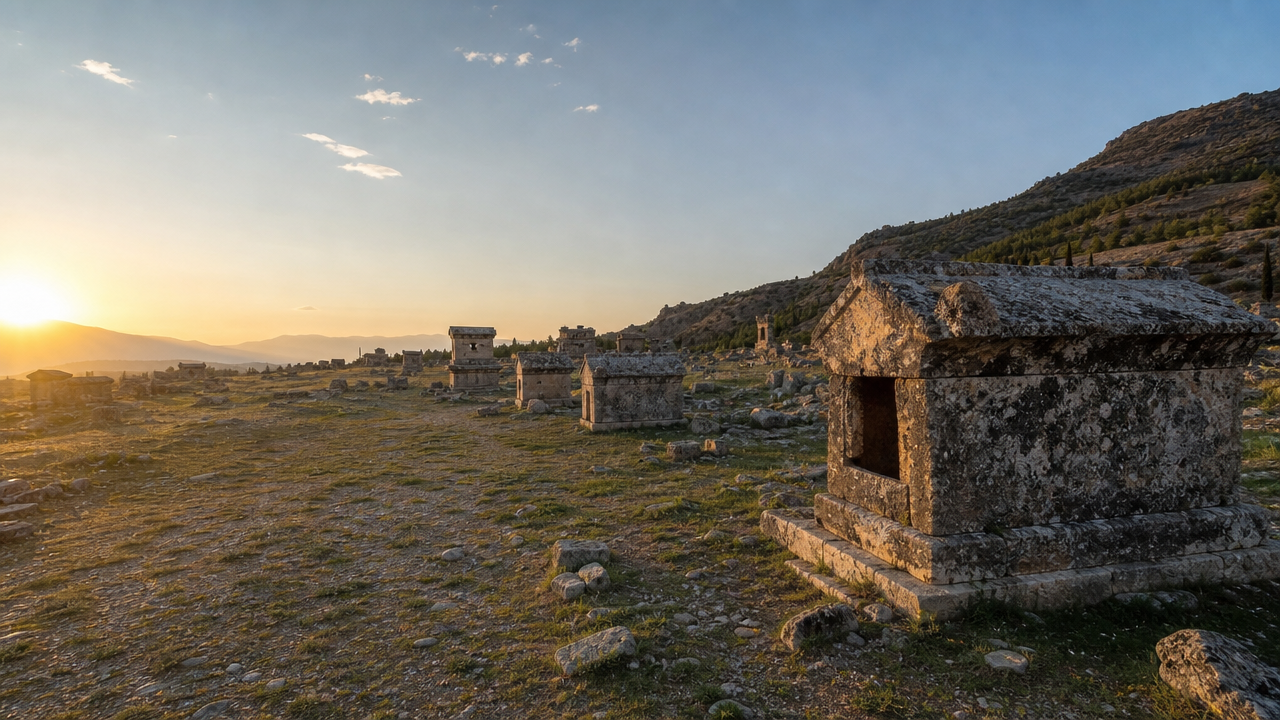
One of the largest ancient cemeteries in Anatolia, containing a variety of sarcophagi and tomb types. It stretches for over a kilometer along the northern road.
Walk through the entire length to see diverse tomb styles.
Everything you need to know about marmaris to pamukkale trip
Planning a marmaris to pamukkale trip requires coordinating transport and arrival times to ensure you have enough time to explore the travertine terraces. Most visitors opt for organized tours or private transfers to manage the long distance comfortably. You can find more details on logistics and tour options in our transportation and itinerary sections. Planning ahead ensures a smooth journey from the coast to these historic natural wonders.
Starting your marmaris to pamukkale trip early in the morning is essential to maximize your day. Leaving before dawn allows you to arrive before the peak midday heat and large tour groups. Refer to our best time section for specific travel duration advice. Starting early provides a more relaxed experience at the site.
The entrance fee is 30 EUR for foreign adults, which covers both Pamukkale and the Hierapolis Ancient City. This fee grants you access to the entire protected area and historic ruins. Please check our pricing section for further details regarding visitor policies.
Yes, the Hierapolis Ancient City is included in the general entrance fee for your marmaris to pamukkale trip. The site is located directly above the white travertine terraces, allowing you to explore Roman ruins and the theater alongside the natural formations. This location offers significant cultural and historical value to your visit.
The best arrival window is 06:30–09:00 to avoid mid-day heat and large tour group crowds arriving from coastal resorts. Arriving during this period offers the most pleasant conditions for photography and walking on the calcium deposits. Visit our best time section for more guidance on crowd management.
Families often enjoy the unique geological formations and the historical atmosphere of the area. Since the site involves significant walking, it is helpful to plan your visit during cooler hours. Our itinerary section provides tips on pacing your visit with children.
Visitors should bring comfortable walking shoes, sun protection, and plenty of water for their day trip to Pamukkale. Since you will be walking on limestone terraces, having a bag for your footwear is useful. Our highlights section lists additional items to enhance your site experience.