
14 hr
Pamukkale & Hierapolis Full-Day Tour from Marmaris
Explore stunning white travertines, ancient ruins, and thermal springs on this all-inclusive excursion
Reserve
Hand-picked by our editors — only the best 5 tours from 18 reviewed.
Verified partners for every tour, free cancellation where available, and instant confirmation on every booking.
14 hr
Explore stunning white travertines, ancient ruins, and thermal springs on this all-inclusive excursion
Reserve
14 hr
Journey to Turkey's famous travertine terraces and explore ancient Roman ruins on this all-day guided excursion.
Reserve
13 hr
Journey to Turkey's famed white travertine terraces and explore the ruins of an ancient Roman spa city
ReservePrices from verified partners. Availability updates in real time at checkout. Free cancellation policies apply where shown.
The landmarks, rooms, and views travelers on this tour remember — all visible on a single visit.
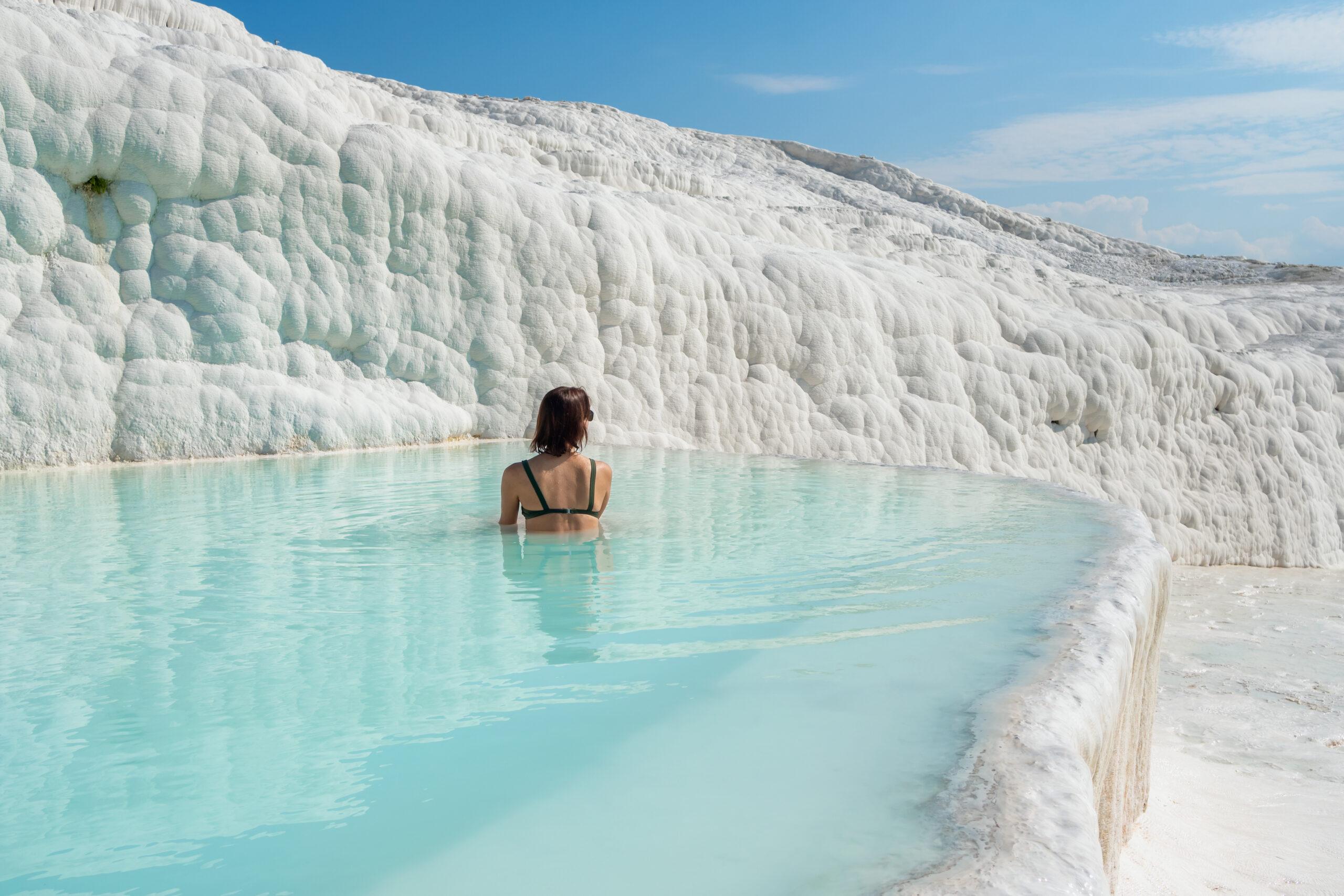
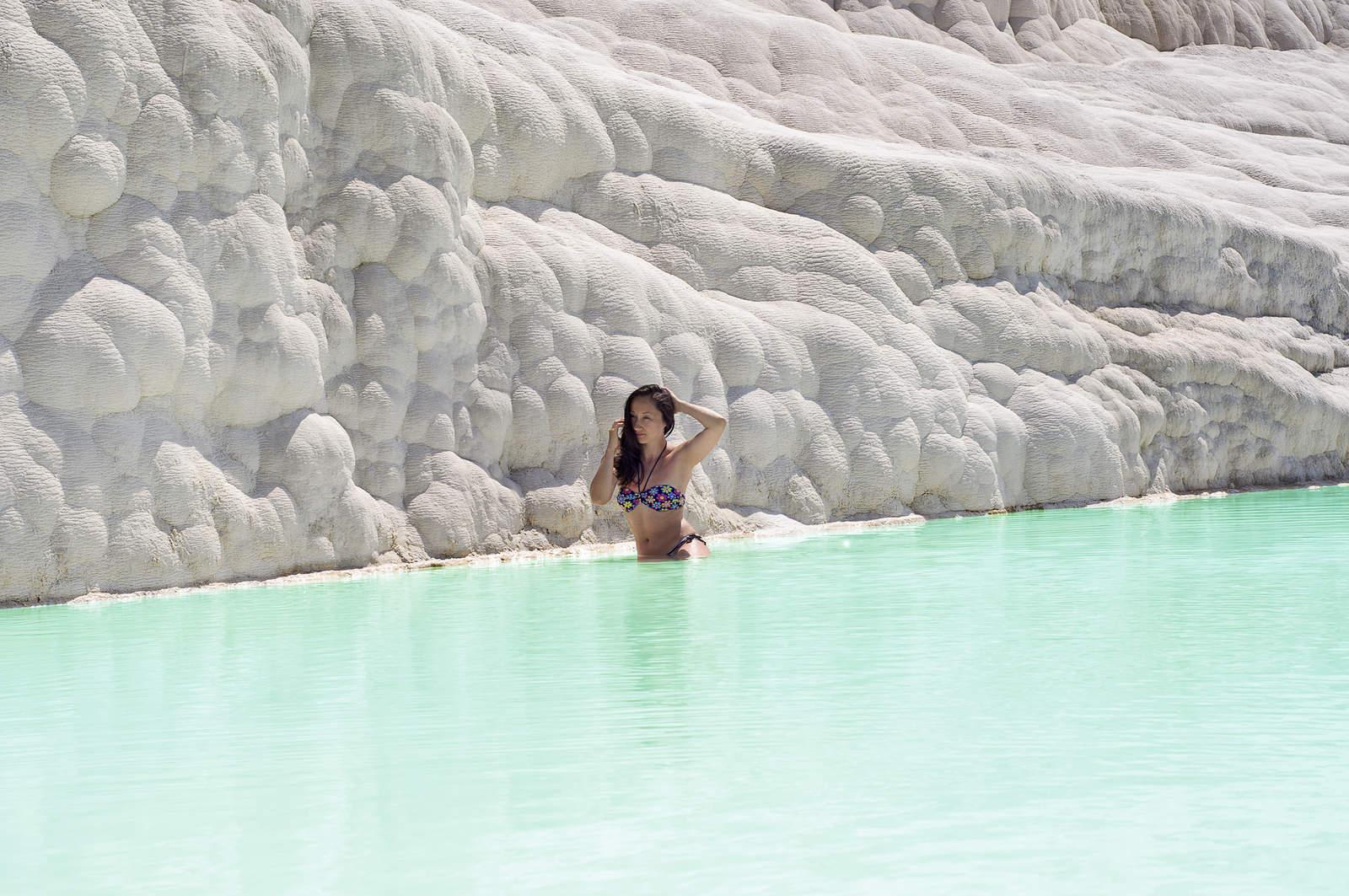
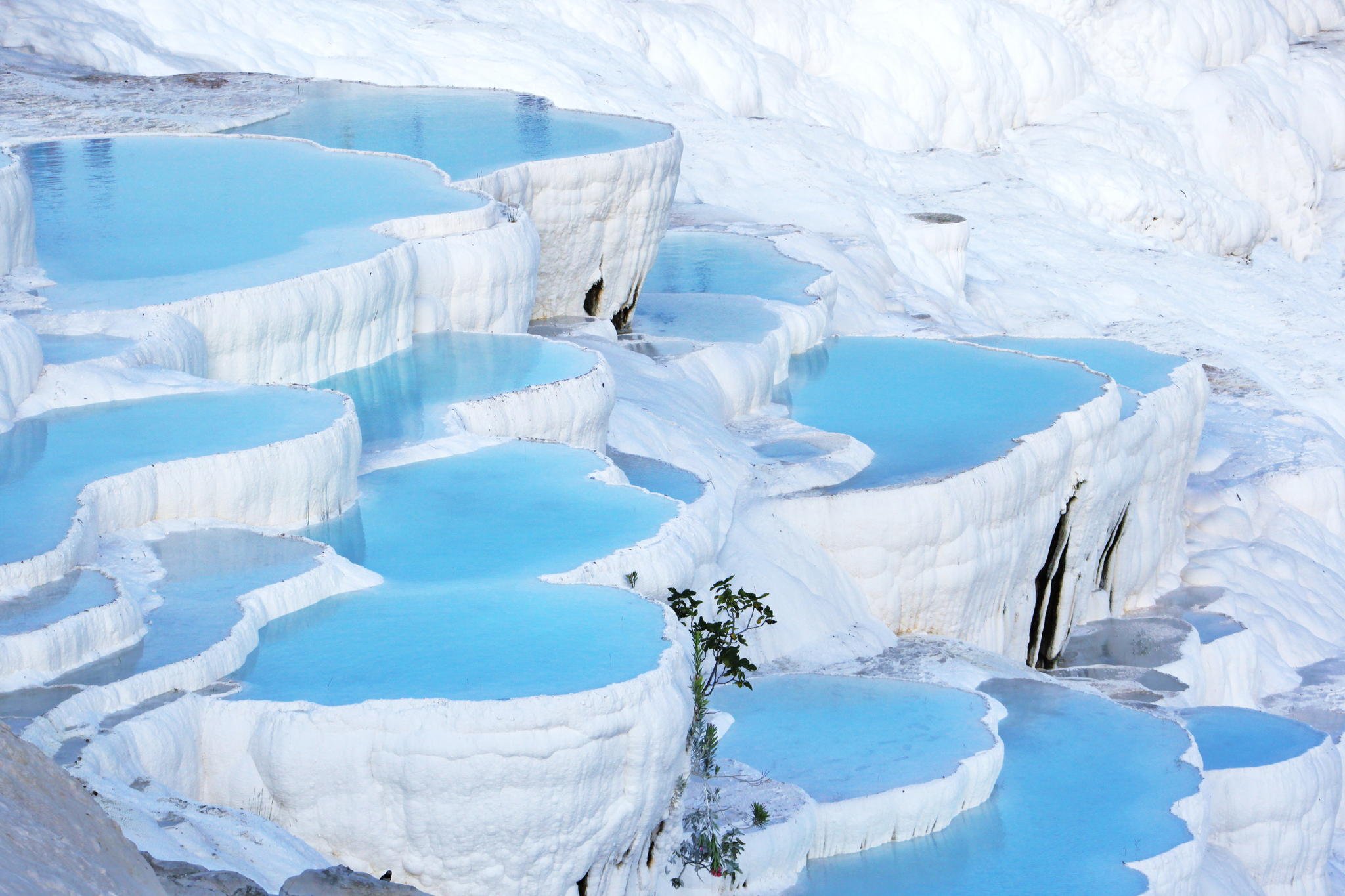
Iconic white mineral pools formed by calcium deposits, ideal for barefoot walking and photos.
A massive, well-preserved Roman structure offering panoramic views over the entire valley.
A thermal pool filled with submerged Roman columns that visitors can swim in for an extra fee.
One of the largest ancient burial grounds in Anatolia with diverse tomb styles.
Historical religious site located near the heart of the ancient Hierapolis city.
Pamukkale offers unique natural thermal phenomena, whereas an Ephesus day trip serves travelers seeking extensive archaeological ruins. Choosing between a marmaris pamukkale tour and a visit to the ancient city of Ephesus depends on whether you prioritize geological formations or classical Mediterranean history.
| Feature | Top pick Pamukkale | Ephesus |
|---|---|---|
Primary Appeal |
Mineral-rich travertines | Classical Roman ruins |
Physical Terrain |
Sloped calcareous deposits | Ancient paved streets |
Key Activity |
Wading in thermal pools | Exploring Library of Celsus |
Travel Time from Marmaris |
3–4 hours by bus | 3 hours by bus |
Best For |
Nature and photography | History and archaeology enthusiasts |
| See tickets → |
Verdict: If you are purchasing marmaris pamukkale tour tickets for the aesthetic contrast of white terraces, know that the Ephesus excursion provides a deeper engagement with architectural antiquity and the marmaris pamukkale tour tours of the region.
Choose your ticket, select your date, and reserve in under two minutes. Secure checkout handled by our verified partner.
Instant confirmation by email, with a mobile voucher you can save offline. No printing, no queuing at a collection desk.
Arrive at the entrance, show your voucher on your phone, and walk in. Most tickets include priority or skip-the-line access.
Practical details for your visit straight from our verified partners — hours, access, rules, and how to get there.
Pamukkale, 20280
Primary entrance for most group tours
Regular intercity connections arrive at Denizli terminal.
Direct transport from Denizli to the entrance.
Follow signs for Pamukkale/Hierapolis from Denizli center.
Casual and comfortable clothing is recommended for a marmaris pamukkale tour. Ensure you have modest attire if visiting the sacred areas within the Hierapolis site.
Standard security checks are in place at all entrances for your marmaris pamukkale tour. Keep your entry ticket accessible at all times for inspection.
Photography is permitted throughout the Hierapolis and travertine areas. Capture the white mineral formations and ancient theatre ruins during your marmaris pamukkale tour.
Some areas of the Hierapolis ruins involve uneven ground, which can be challenging for those with mobility issues. The travertine paths are also slippery and require careful navigation during your marmaris pamukkale tour.
Mobile phone use is permitted for photos and communication. Ensure your device is charged to navigate the expansive Hierapolis grounds.
Families are welcome, though the site involves significant walking. Strollers are difficult to maneuver on the calcium terraces, so plan accordingly for your marmaris pamukkale tour.
Limited refreshments are available within the site boundaries. It is advisable to bring water to stay hydrated during your marmaris pamukkale tour.
Pets are not permitted within the protected travertine and archaeological zones. Please make alternate arrangements for your companions during your marmaris pamukkale tour.
Footwear must be removed before entering the travertine sections to protect the site. Plan your marmaris pamukkale tour for the early morning to enjoy the best conditions.
Best time to go, insider tips, nearby landmarks, and the cancellation fine print — flip through to skim what matters to you.
How crowds, weather, and events shift across the year.
Mild temperatures make exploring the ancient city and terraces comfortable. Flowers are in bloom around the Hierapolis archaeological site.
Hot temperatures require visiting between 06:30 and 09:00. This season offers the best warmth for swimming in thermal pools.
Similar to spring with pleasant weather for extensive walking. The sunset views over the valley are particularly clear.
Quieter period with fewer crowds, though thermal water temperatures remain constant.
Small details that turn a good visit into a great one.
Shoes are strictly prohibited on the white travertines to protect the soft mineral deposits.
The heat on the white terraces is intense; bring plenty of water for your marmaris pamukkale tour.
Entering via the South Gate puts you closer to the main travertines and the Cleopatra Antique Pool.
Reach the site during the 06:30–09:00 window to enjoy the terraces before the peak crowds.
Mornings can be cool, while afternoons are very hot during a typical marmaris pamukkale tour.
The reflective surface of the white stone increases UV exposure; wear a hat and high-SPF sunscreen.
Non-bookable sights within a short walk — free to visit, easy to pair.
Known for therapeutic red thermal water springs
A well-preserved Seljuk period travel inn
An important ancient city with significant biblical history
Flexible, no hidden fees.
Entrance tickets to this UNESCO World Heritage site are generally non-refundable. Please ensure your plans are firm before purchasing the 30 EUR conservation fee per person.
Hand-picked options within walking distance — pick a district for vibe, or a specific hotel for convenience.
Local guesthouses and hotels near the village entrance
Spa-focused hotels with direct thermal access
Standard urban hotels with transport links
The calcium-rich thermal springs at Pamukkale have been depositing brilliant white travertine for seventeen thousand years, creating terraced pools that spill down a hundred-metre slope above the Denizli plain. The site earned UNESCO World Heritage status in 1988, protecting both the mineral formations and the sprawling ruins of Hierapolis, the Greco-Roman spa city built directly above the springs in 190 BCE. Today the Cotton Castle — pamukkale in Turkish — welcomes visitors who remove their shoes and wade through the shallow thermal pools, following boardwalks that preserve the fragile carbonate crust. A Marmaris Pamukkale tour covers the two-hundred-seventy-kilometre route inland from the Aegean coast, crossing the Menderes valley and climbing into the highlands of southwestern Anatolia. Most full-day excursions depart Marmaris before dawn, reaching the travertines by mid-morning when the white terraces catch the low sun and the site remains quiet. The journey includes a scheduled stop at Hierapolis, where the Roman theatre seats fifteen thousand, the necropolis extends two kilometres along the northern ridge, and the Antique Pool — fed by the same hot springs — scatters submerged column drums across its turquoise basin. The site opens daily at six-thirty, and early arrival secures the clearest water and the softest light for photography. Pamukkale day trips from Marmaris bundle the thirty-euro conservation fee, which grants access to both the travertines and the archaeological zone, alongside coach transport and a licensed guide. The springs emerge at thirty-six degrees Celsius, carrying dissolved calcium carbonate that precipitates on contact with air, building the rippled white formations at a rate of two millimetres per year. Visitors walk barefoot across the warm, textured stone, pausing in pools that range from ankle-deep to knee-high. The boardwalk route winds through sixteen active terraces, with roped sections protecting regeneration zones where flow has been redirected to repair overused areas. By early afternoon most tours allow time at the Hierapolis museum, housed in the restored Roman baths, before the return drive to the coast. The thermal pools remain open until eleven at night during summer months, but tour schedules prioritise morning visits to avoid midday heat and the arrival of larger groups.
"The springs have been depositing brilliant white travertine for seventeen thousand years, building terraced pools at a rate of two millimetres per year."
A step-by-step walkthrough of the visit — what you'll see, how long each stage takes, and the details that matter.
You leave Marmaris in darkness, the coach climbing away from the coast as the sky begins to pale over the Menderes valley. Three hours later the white slope appears ahead, luminous against the green plain. You step from the vehicle, remove your shoes at the entrance gate, and walk onto warm stone. The first pool reaches your ankles, thirty-six-degree water flowing over your feet as you cross the rippled travertine. Boardwalks guide you upward through sixteen terraces, each pool a different depth, the mineral crust textured beneath your soles. At the summit you pause at the edge of the ancient city. Hierapolis spreads across the plateau: the theatre carved into the hillside, the colonnaded street running north toward the necropolis, the Antique Pool where broken marble columns rest underwater. You wade through the thermal basin, the same hot spring that fed Roman baths two millennia ago, then walk the length of the archaeological zone. By noon the sun is high and the travertines behind you are crowded. Your guide leads the group back to the coach, the air-conditioning a sharp contrast to the dry heat outside, and you descend toward the coast as the white terraces recede in the rear window.
The site is open from 06:30 to 23:00 daily, providing ample time for any marmaris pamukkale tour.
Yes, the entrance fee is 30 EUR per person, which covers access to both the Hierapolis ruins and the travertine terraces.
To avoid peak heat and large crowds, the best arrival window is between 06:30 and 09:00.
Prohibited items include footwear on the travertines, drones, and commercial filming equipment to preserve the site.
Yes, Hierapolis is located within the same site as the travertines and is included in your entry for the marmaris pamukkale tour.
The Cleopatra Antique Pool is a separate area and requires an additional fee for swimming among the ancient Roman ruins.
Families are welcome, though children should be supervised on the uneven paths found throughout the marmaris pamukkale tour.
Visitors typically arrive by bus to Denizli or via private transport to reach the South or North entrances.